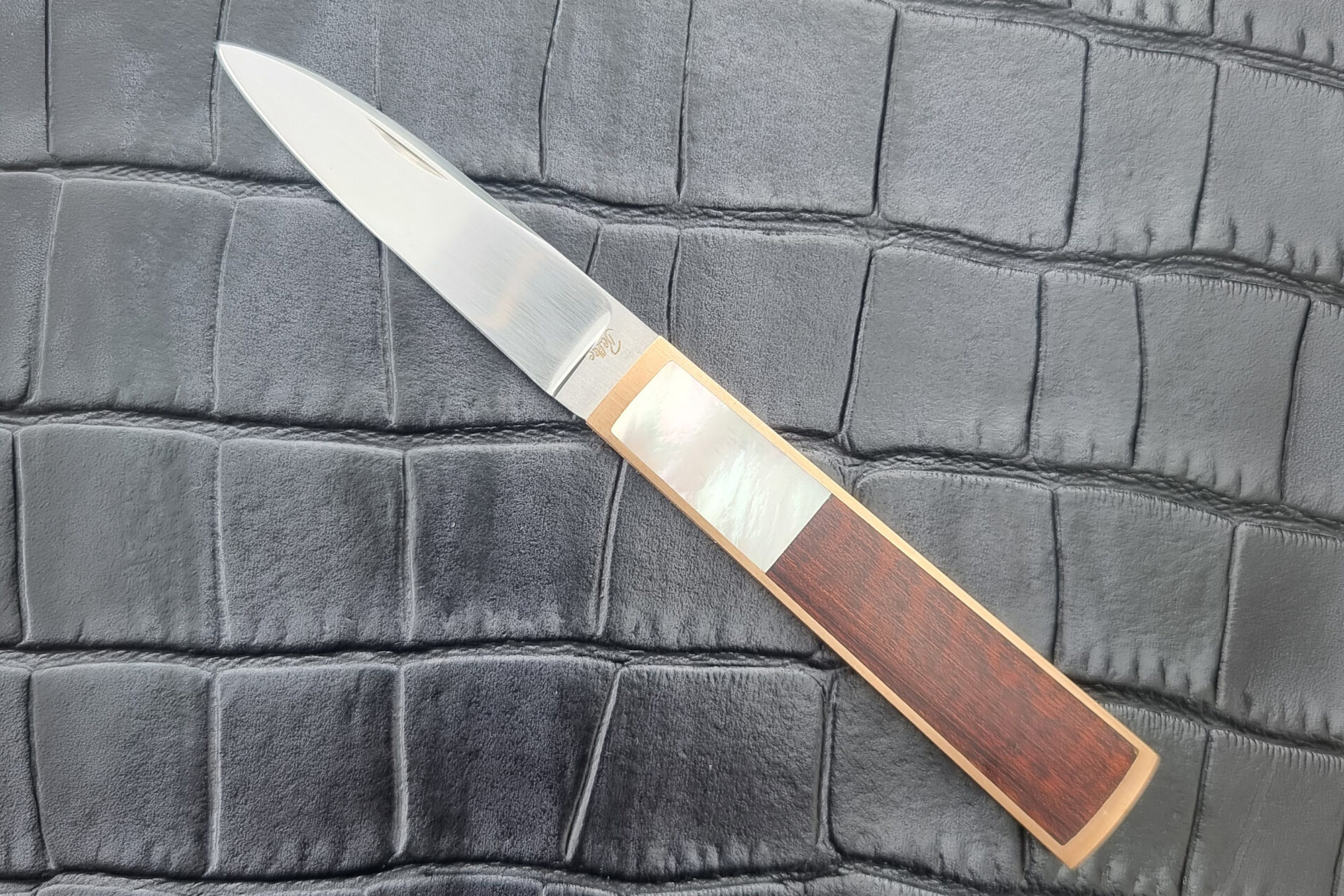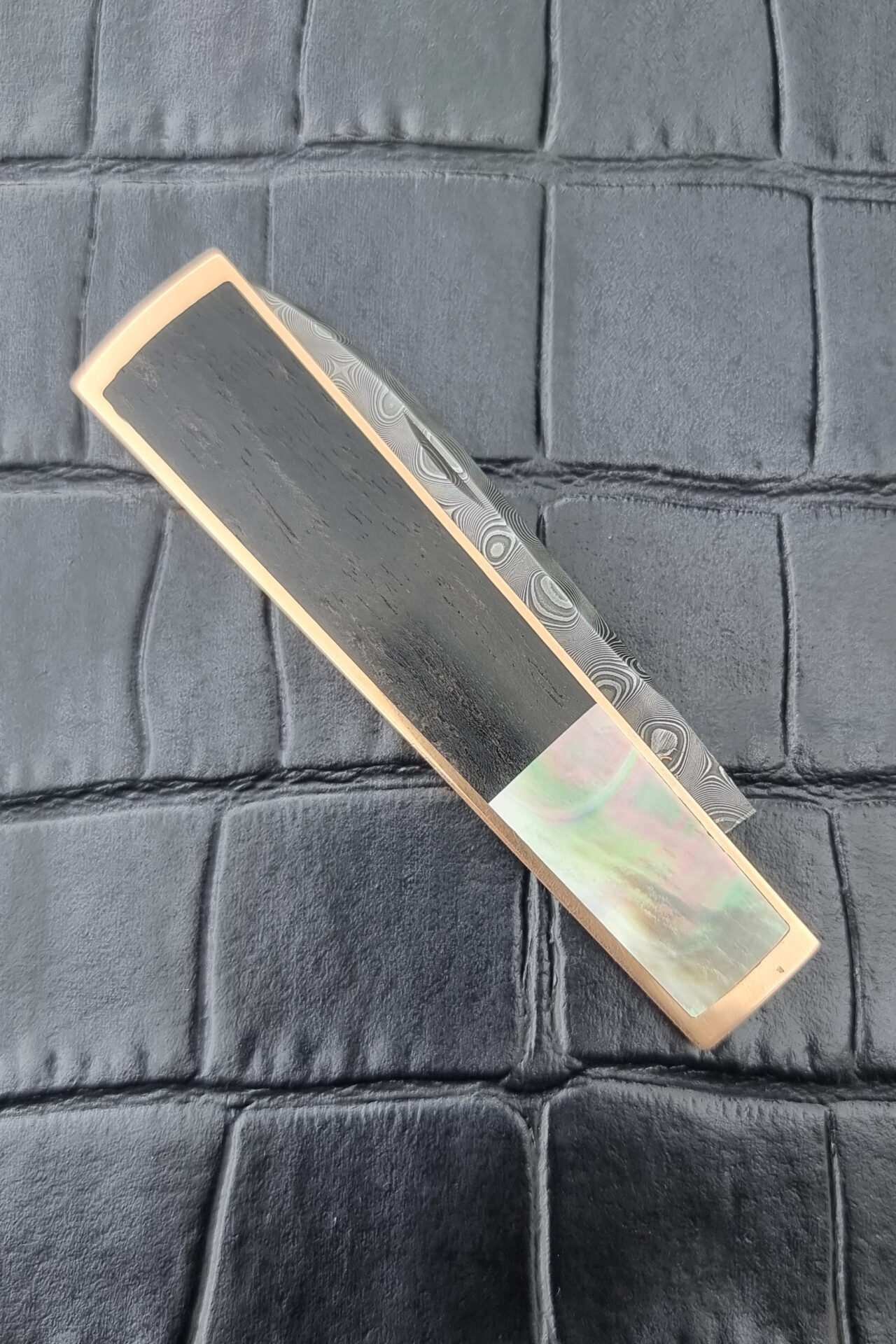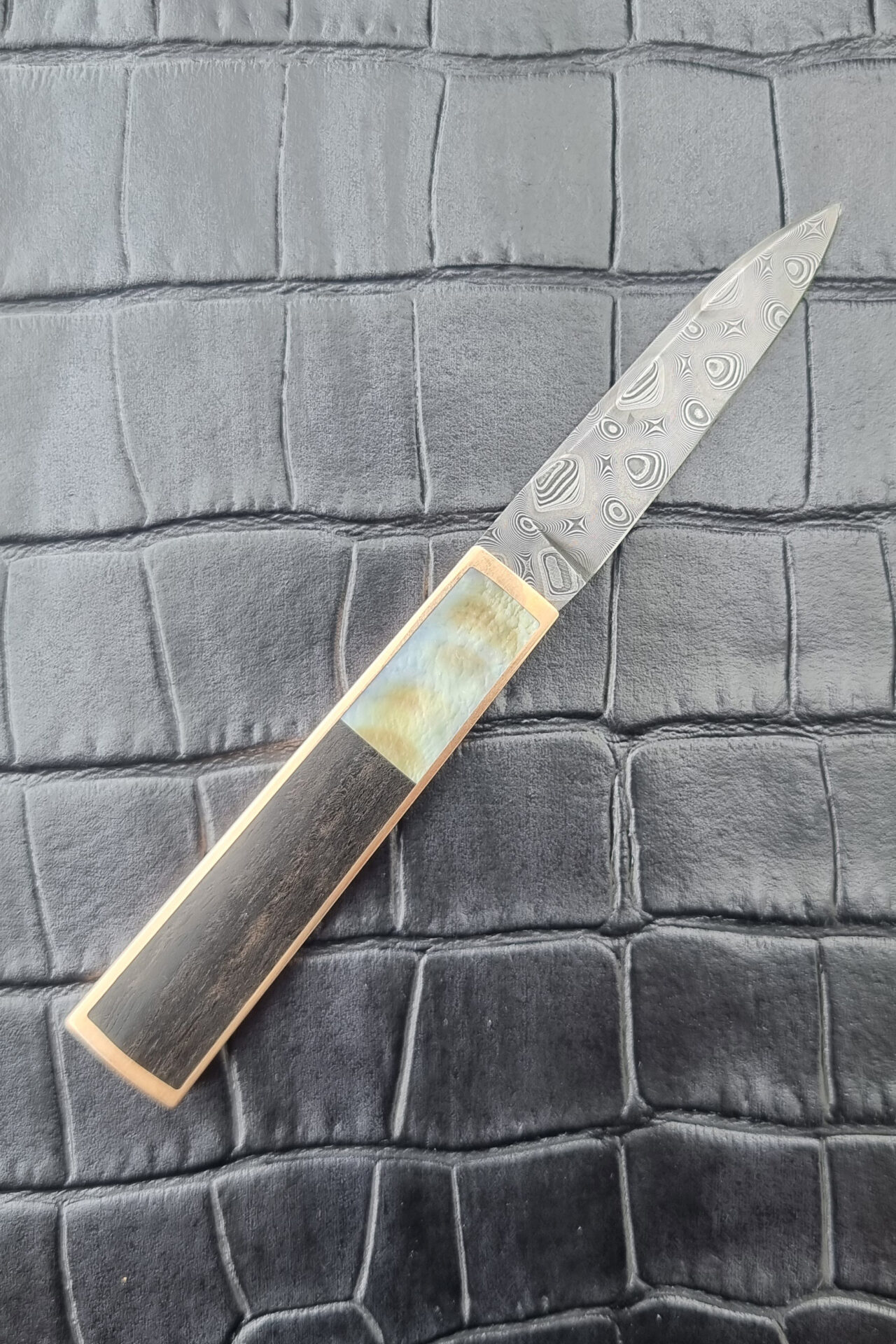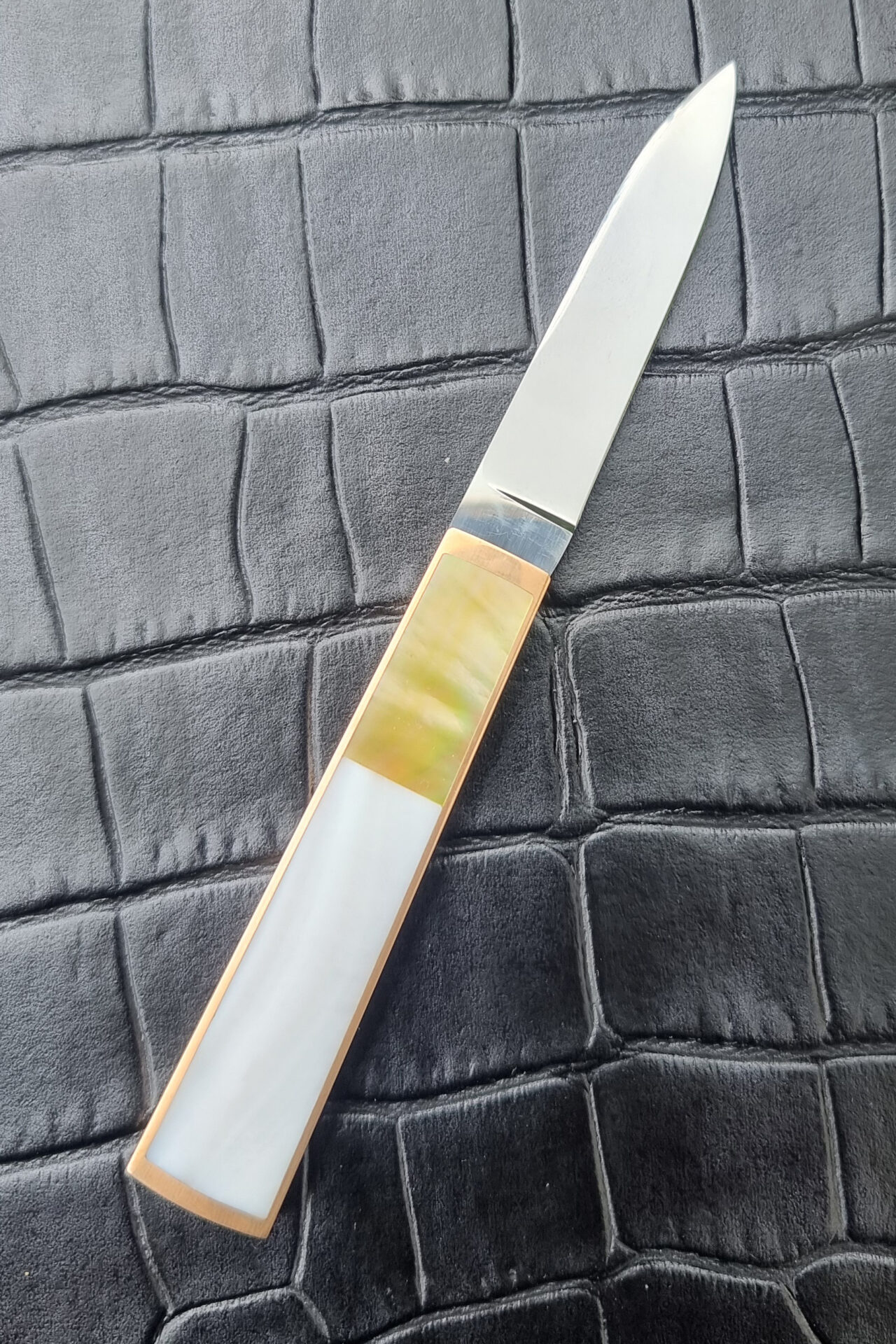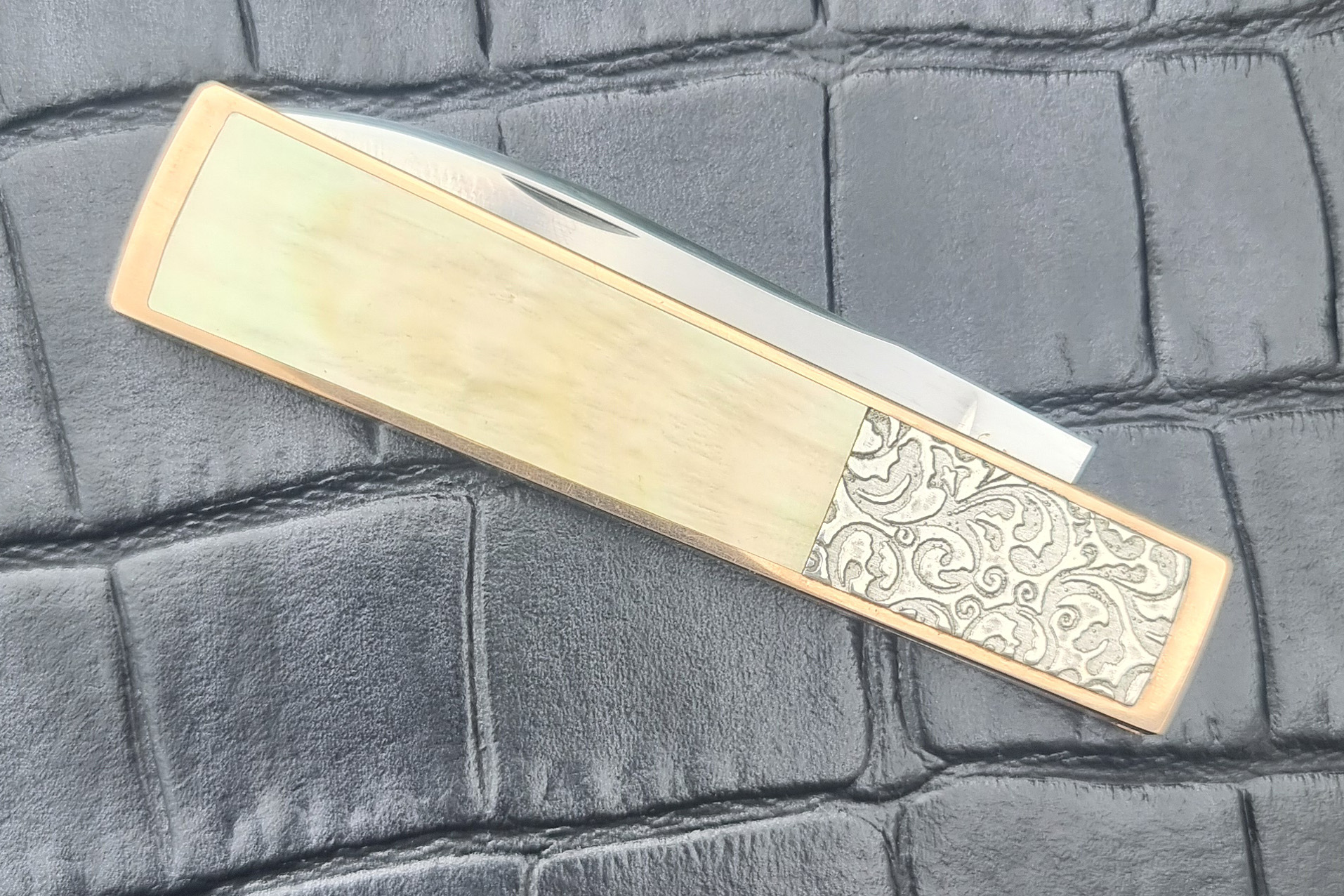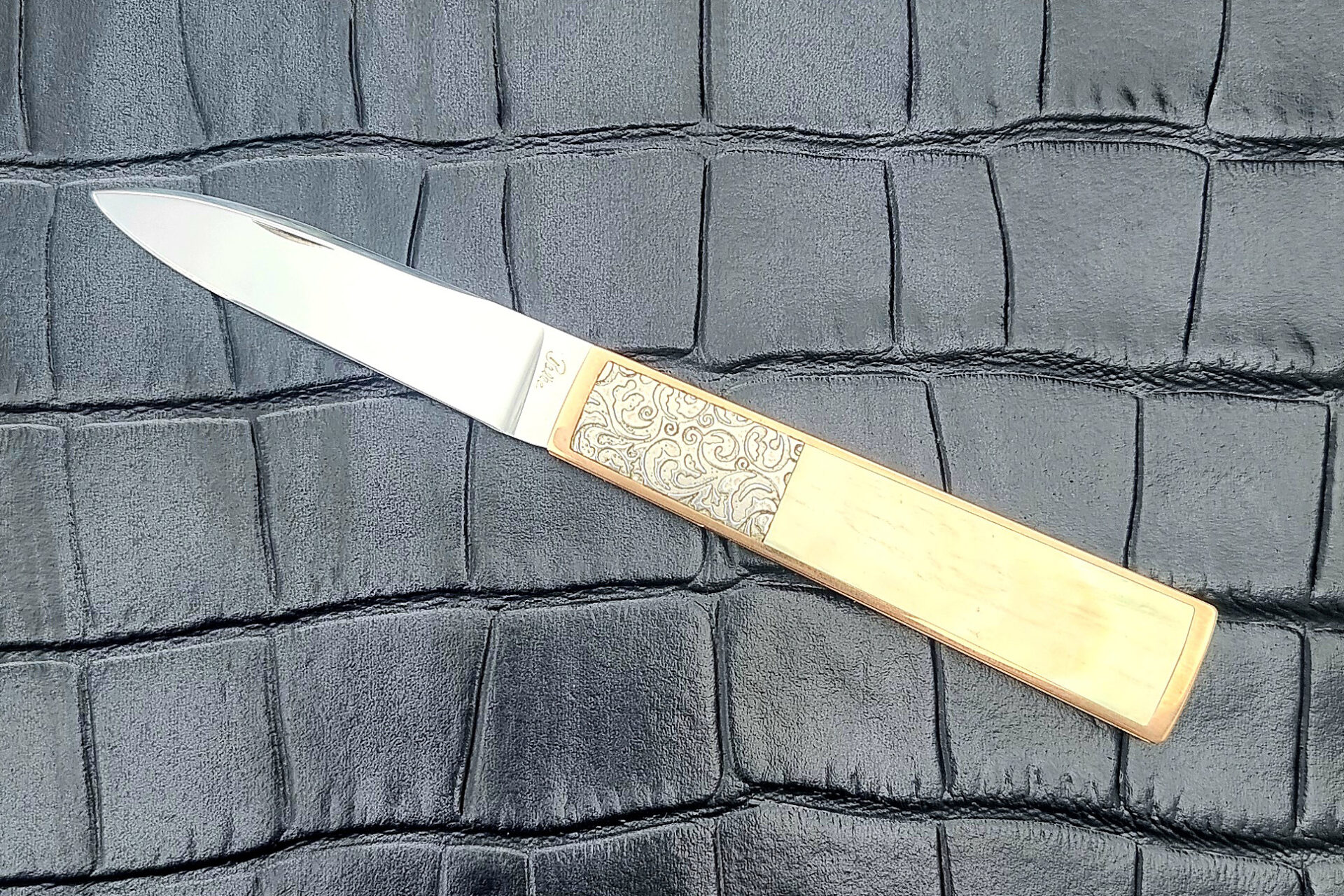

The Slipjoint – Classic and Modern

The Original Pocket Knife

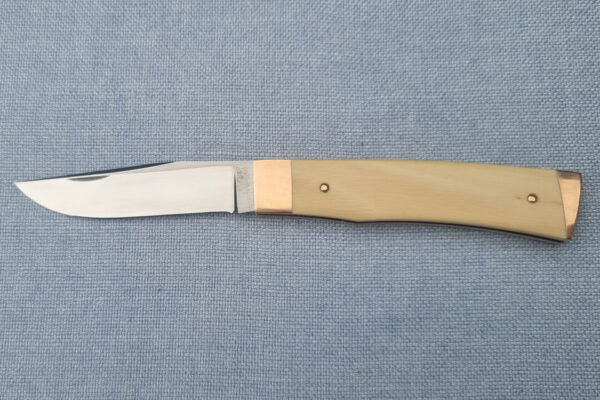
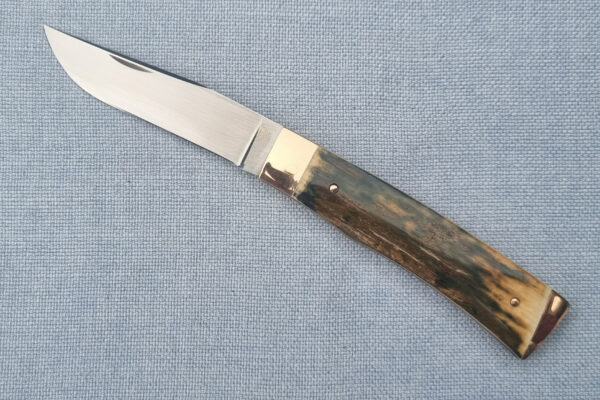
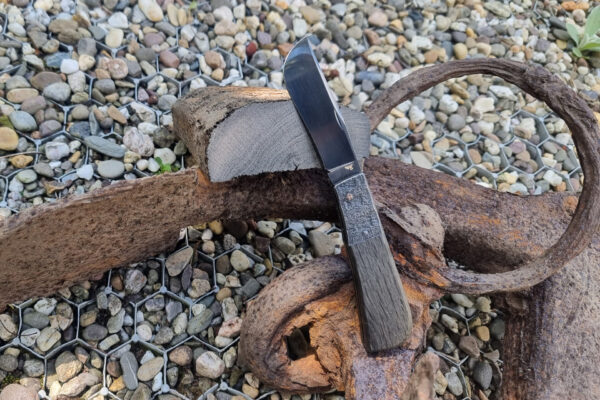
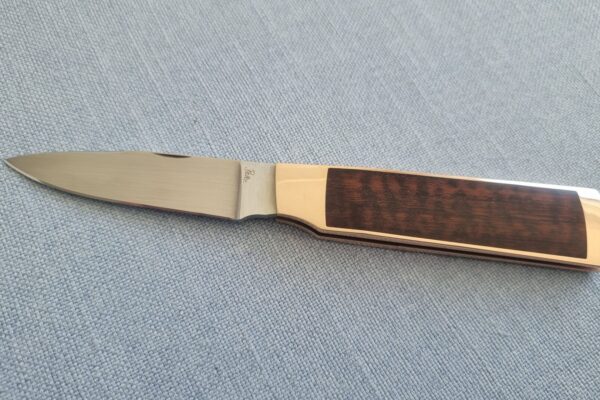
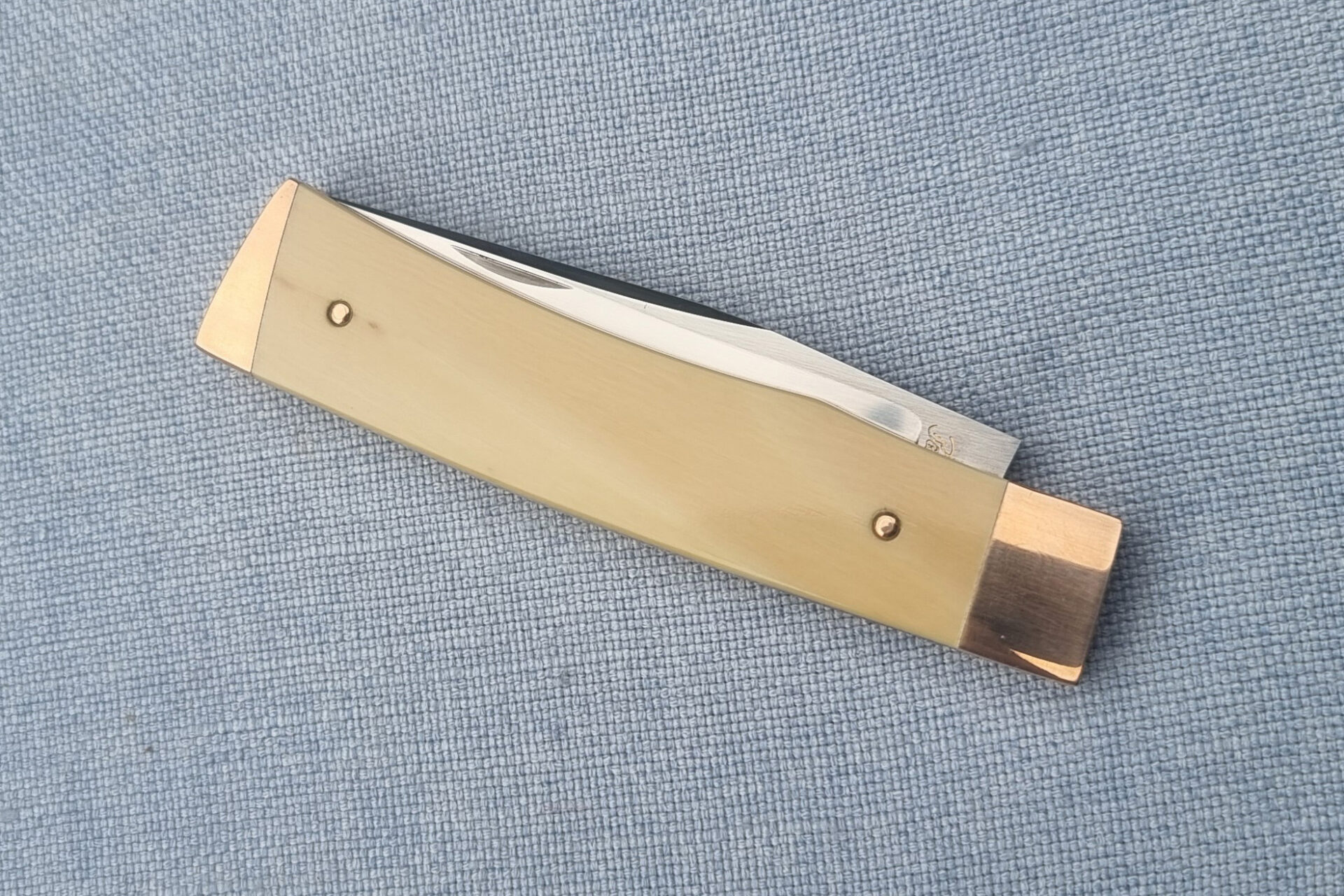
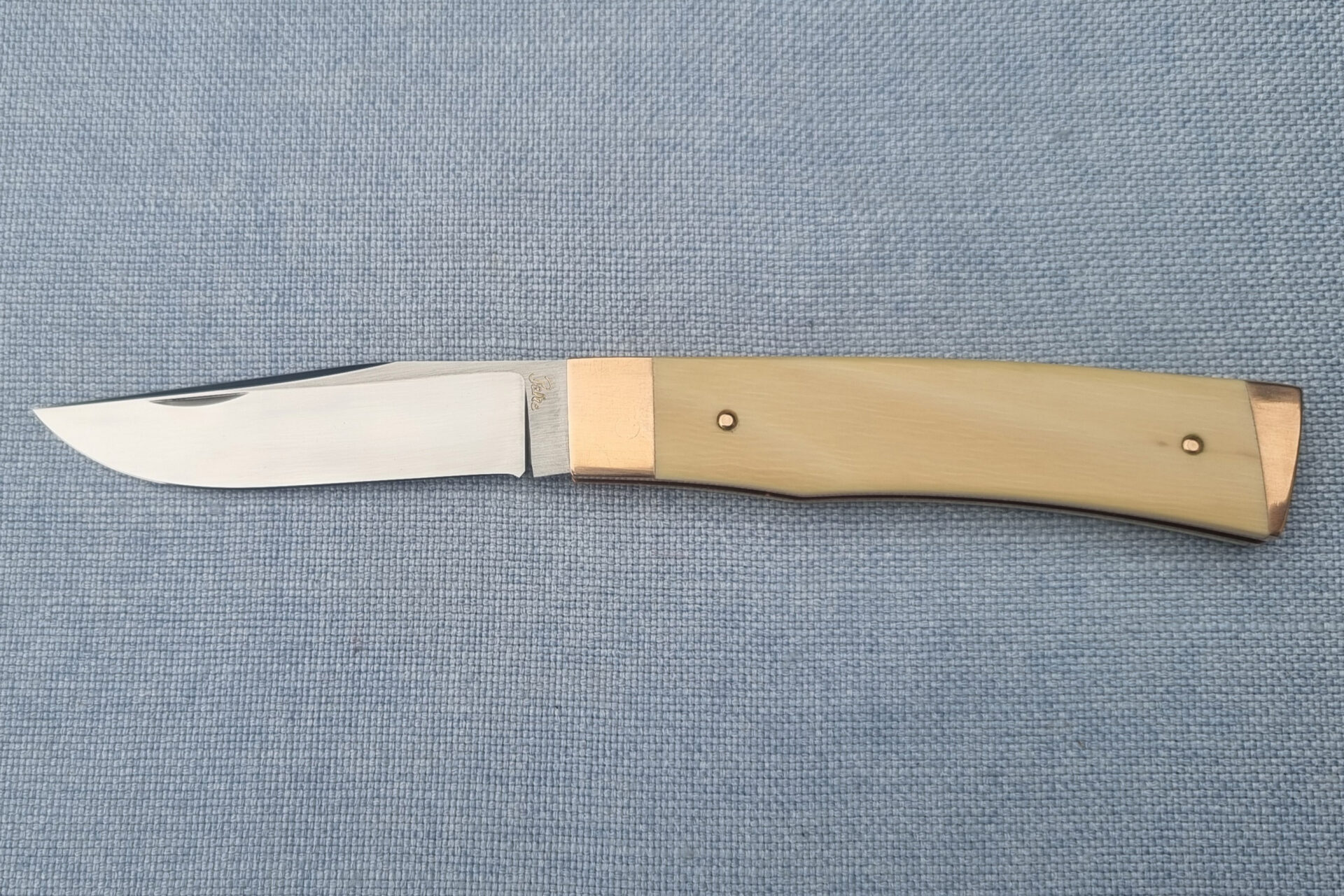
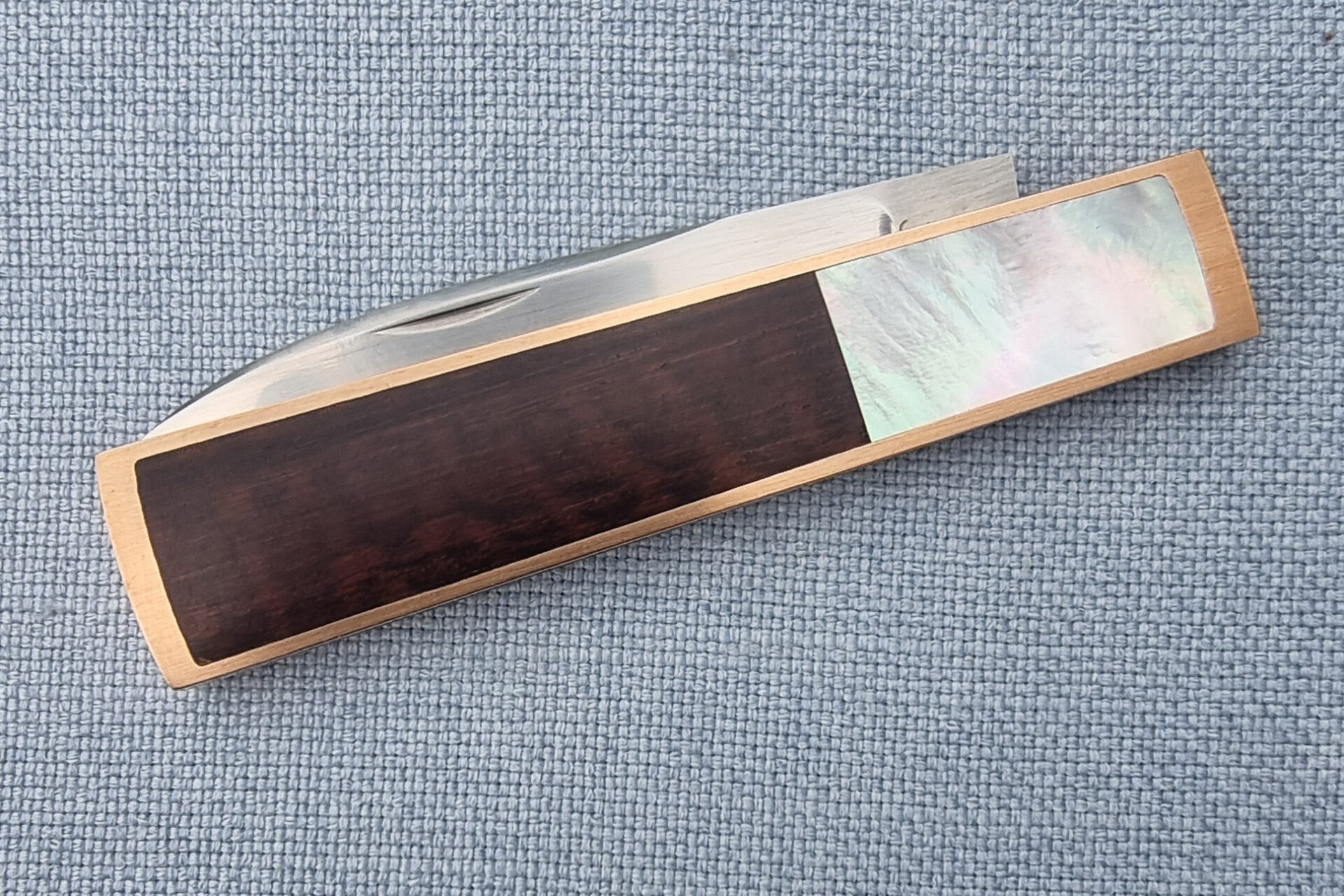
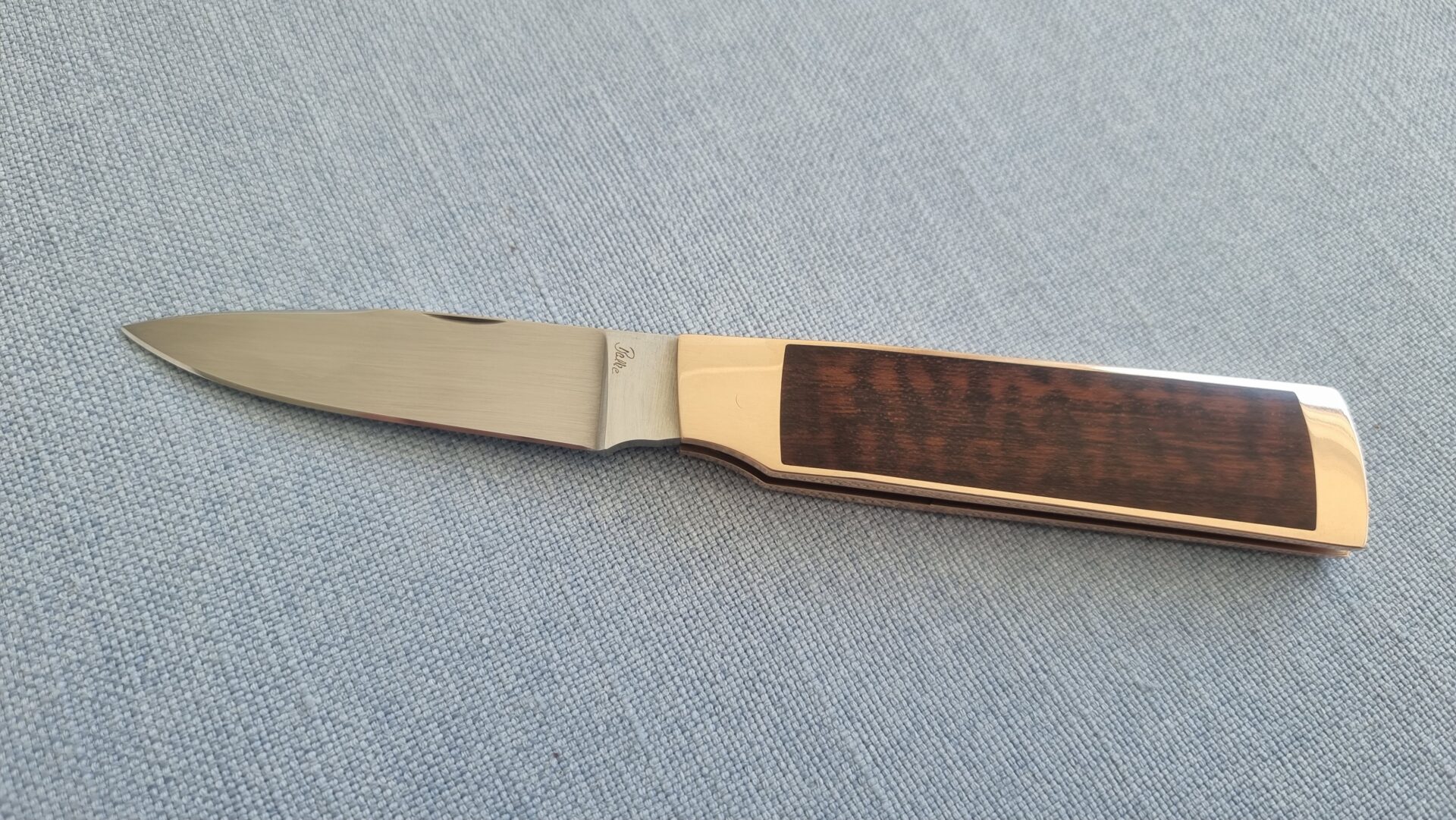
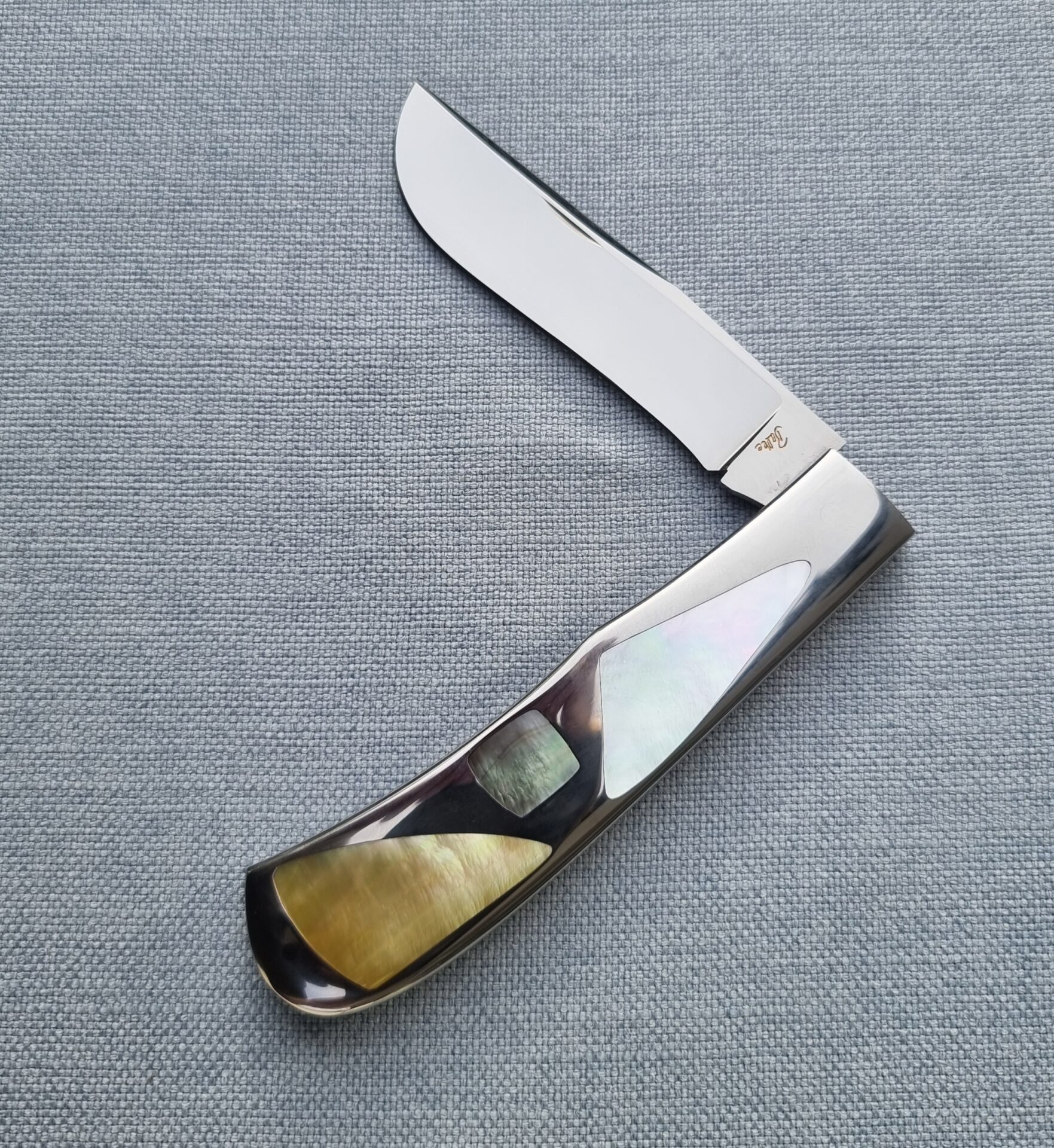
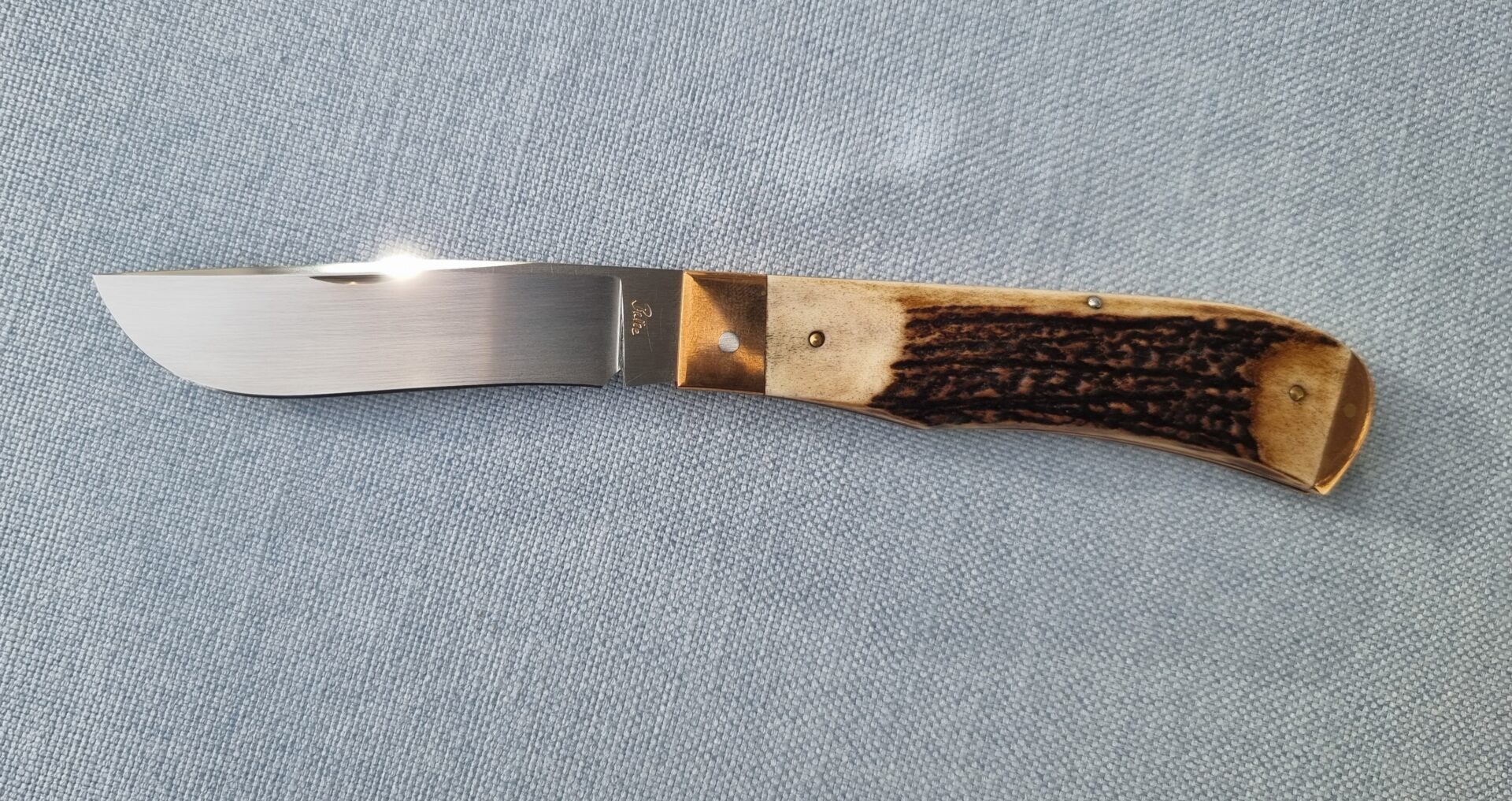
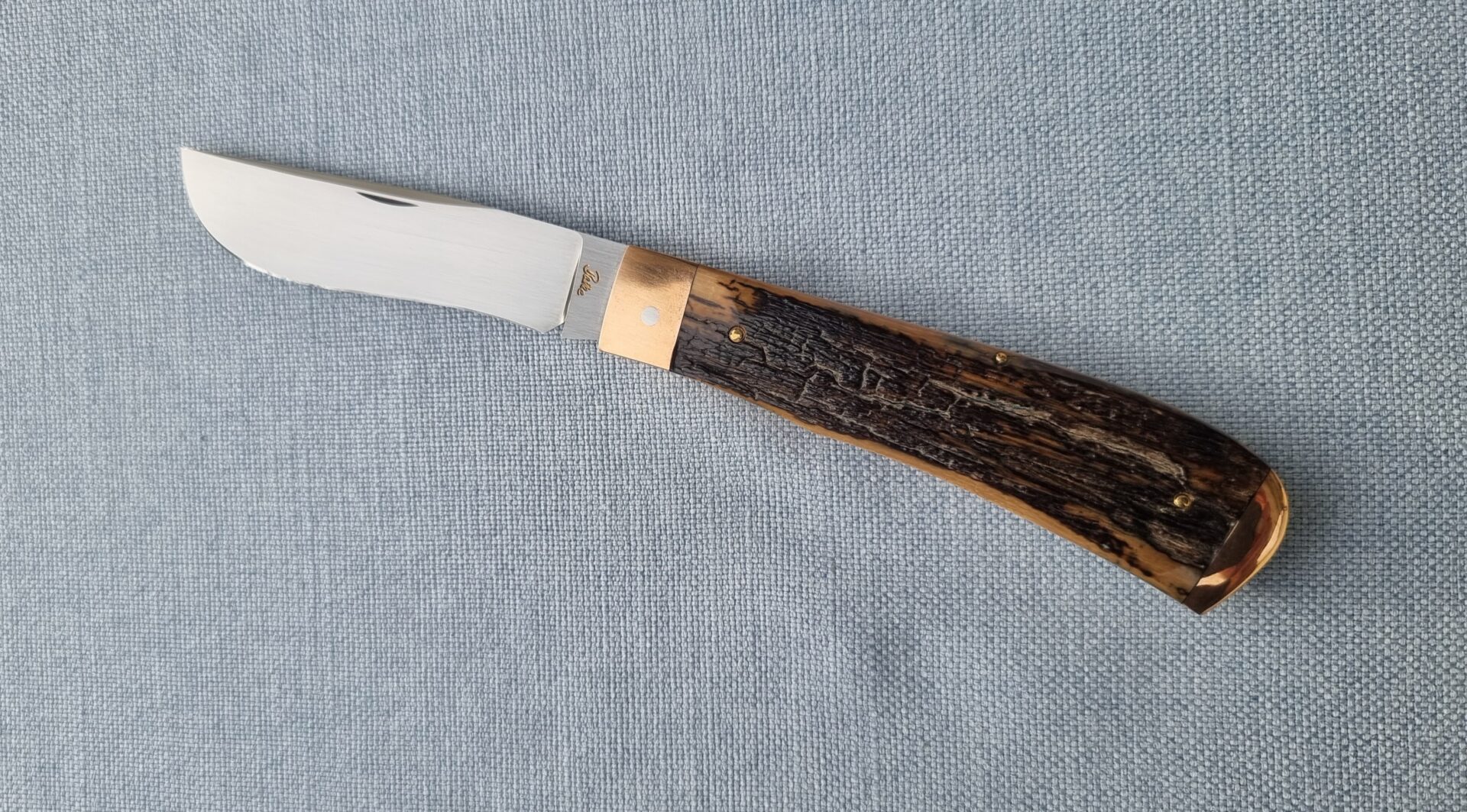
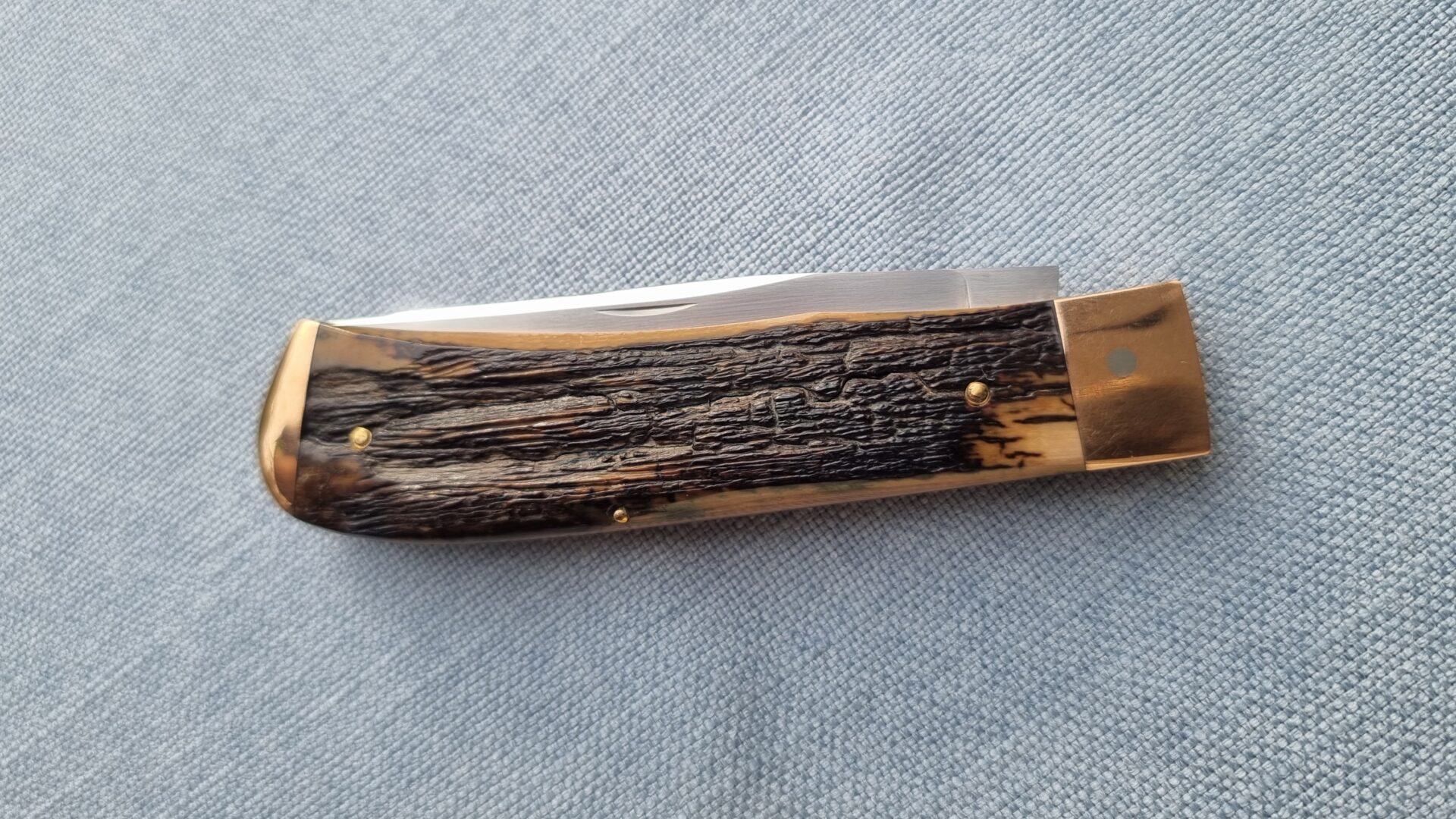
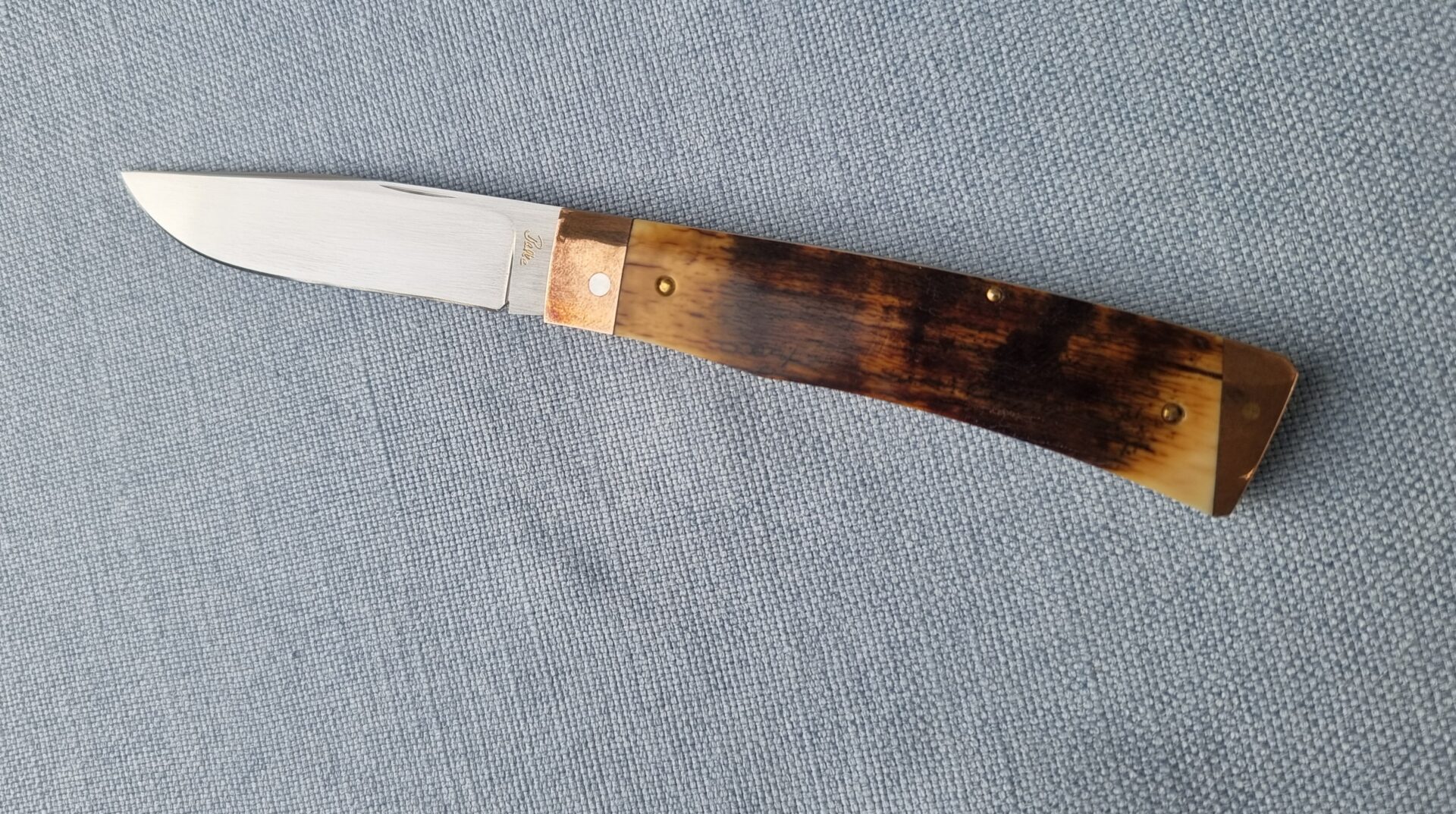
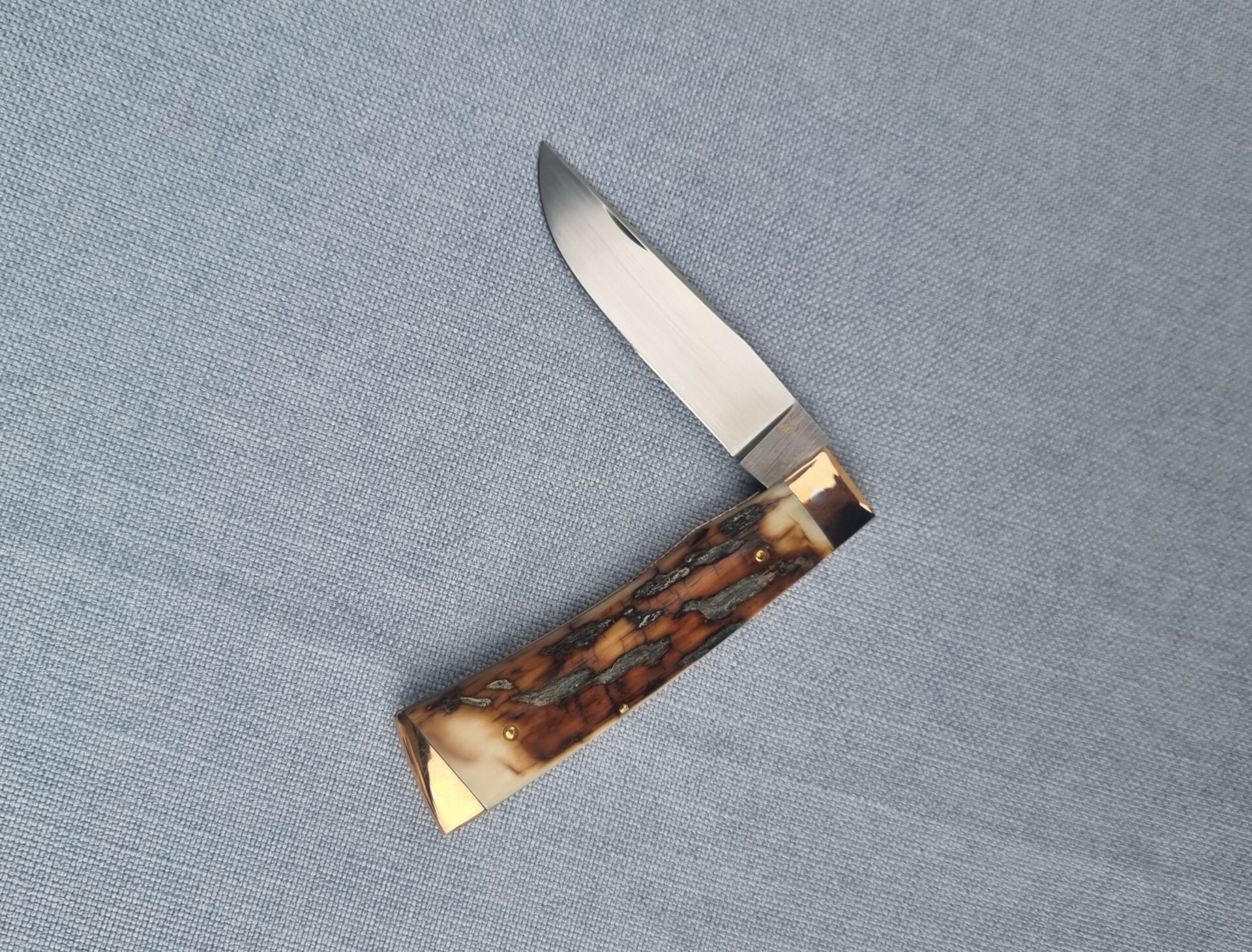
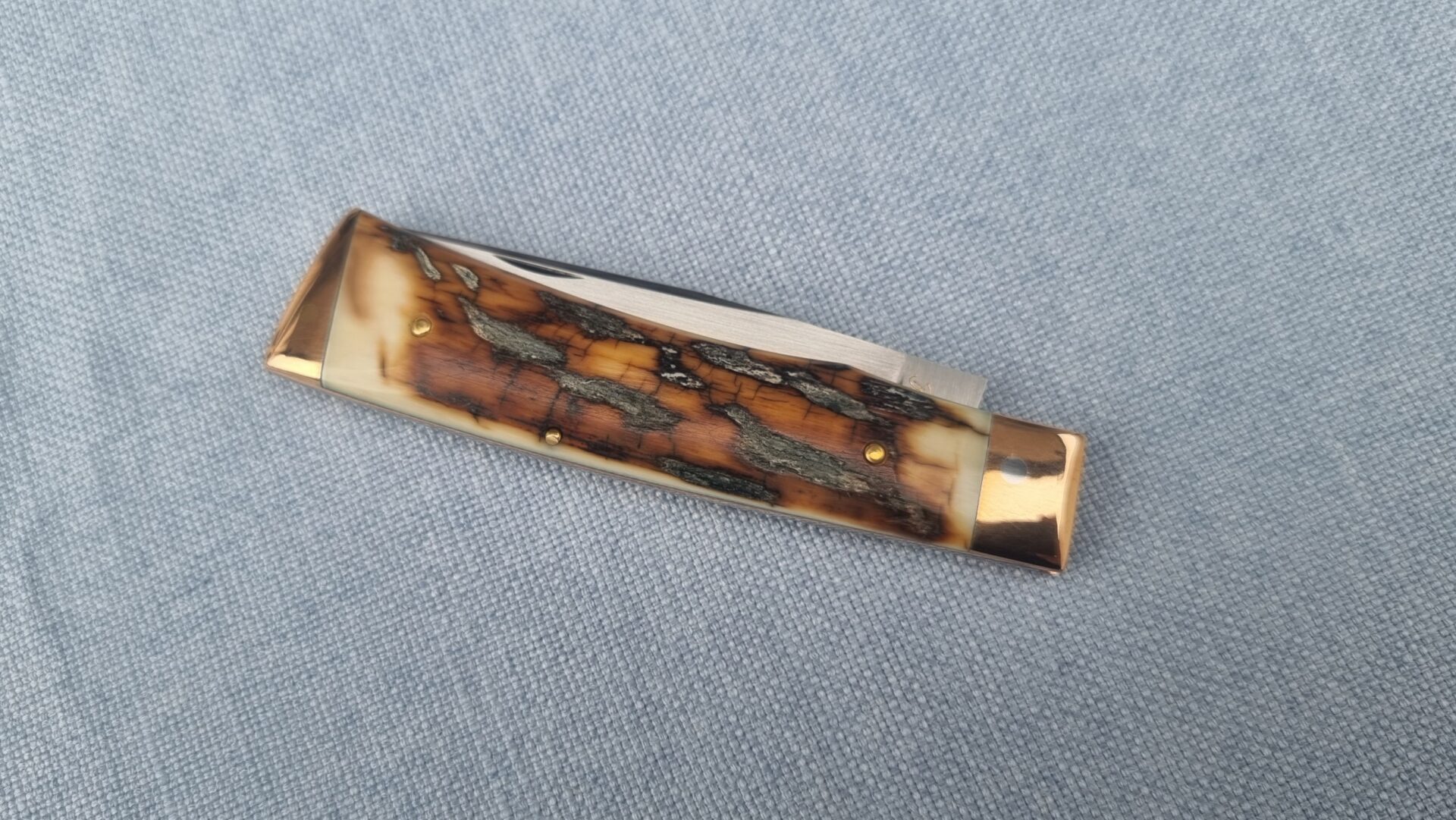
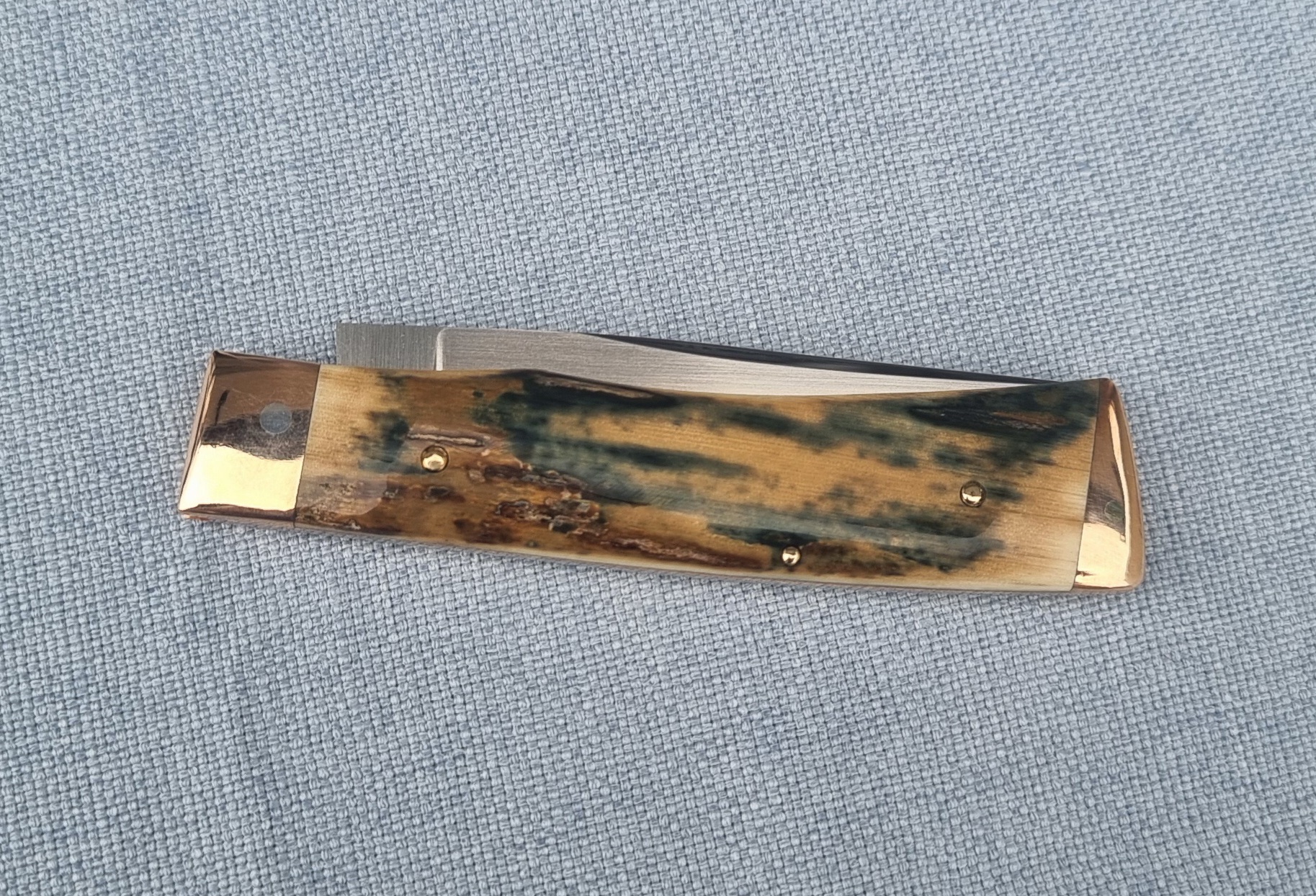
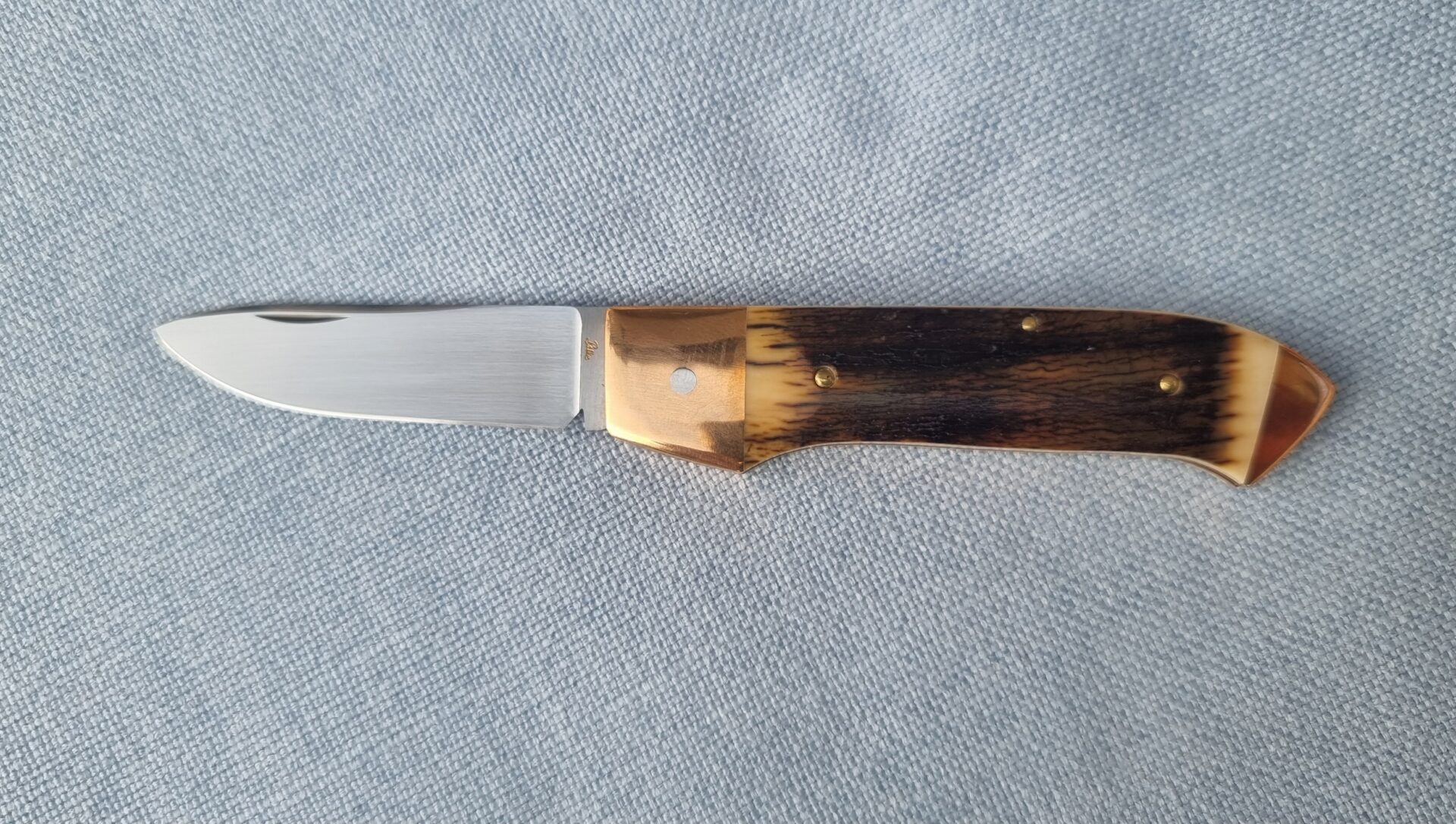
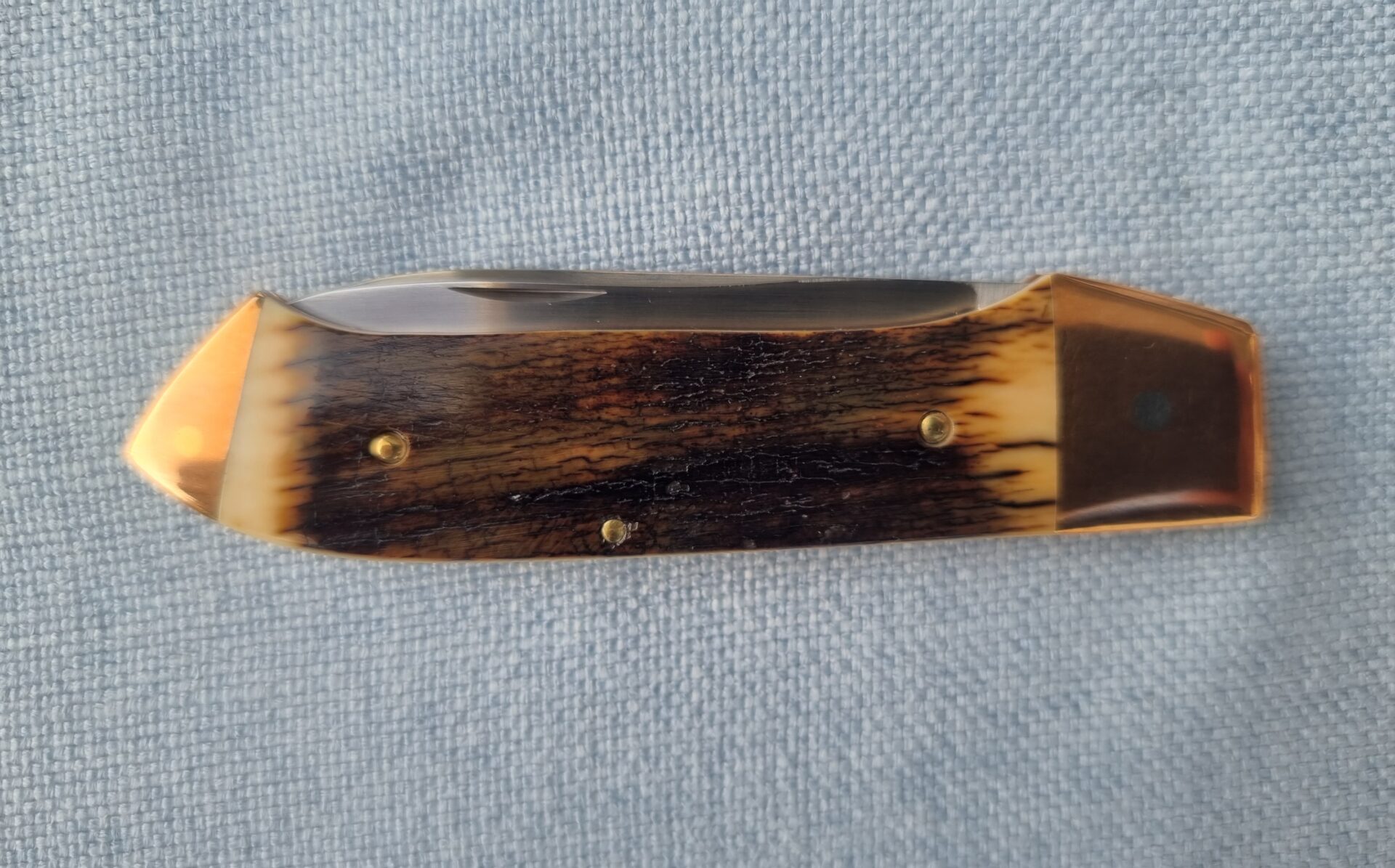
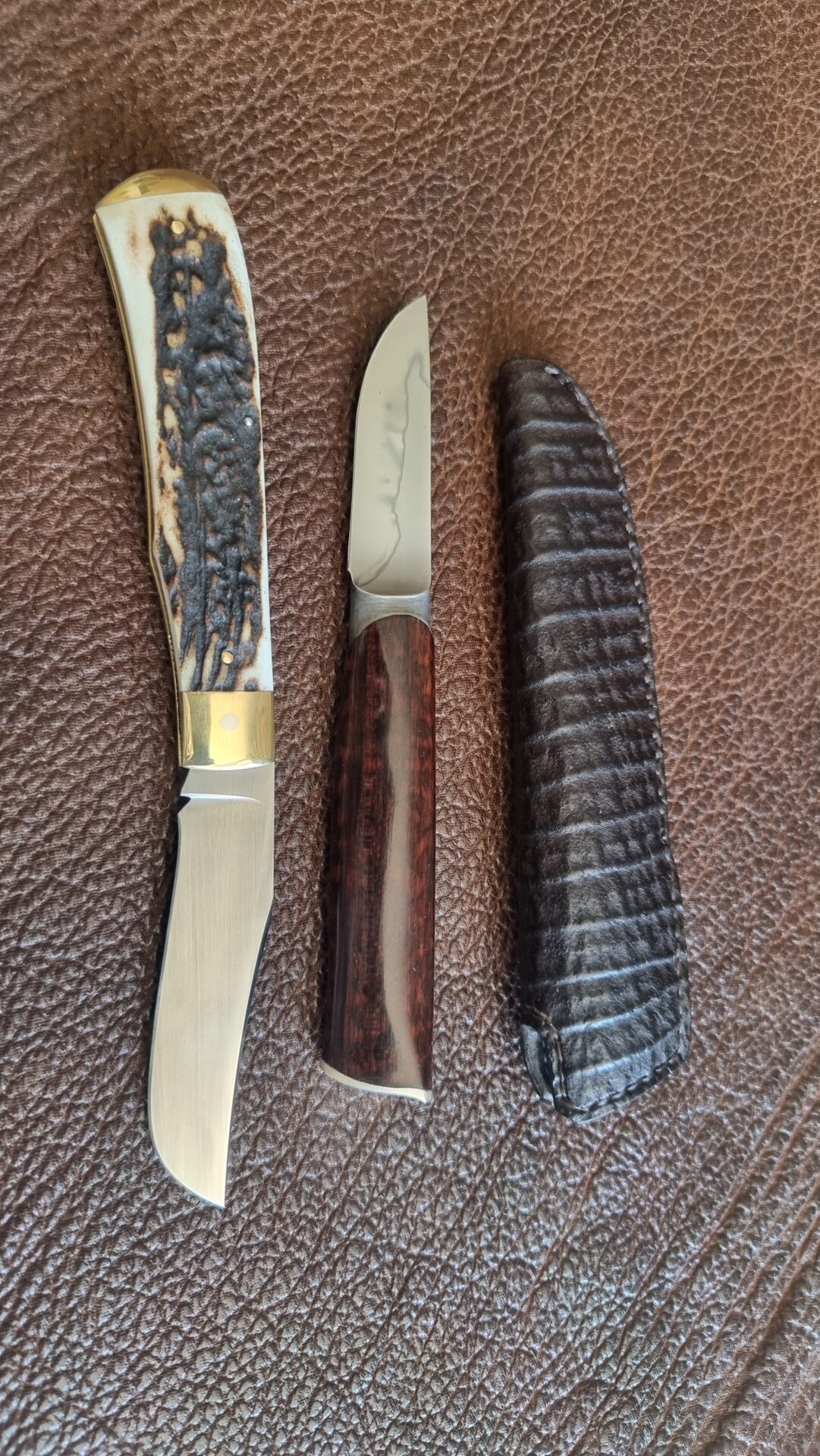
“Slipjoint” refers to the classic pocket knife. This folding mechanism, which does not lock the blade in place, was so common that it never even acquired a distinct name in German. It is simply the pocket knife. A lock was never necessary, as it serves no purpose during cutting. It only provides added safety in situations involving uncontrolled stabbing or when twisting the blade tip in the material. It may, however, be indispensable for so-called tactical knives.

The Renaissance of Traditional Mechanics

Locking knives only became popular later on. Recently, however, slipjoints have seen a resurgence in popularity, even though their manufacture is highly demanding and labor-intensive.

Aesthetic and Legal Advantages

This trend is driven not only by a renewed appreciation for the understated aesthetics of knives that avoid screw-assembled, tool-like designs, but also by the fact that slipjoints are not subject to restrictions under German weapons law (compliant with §42a WaffG).

About Me

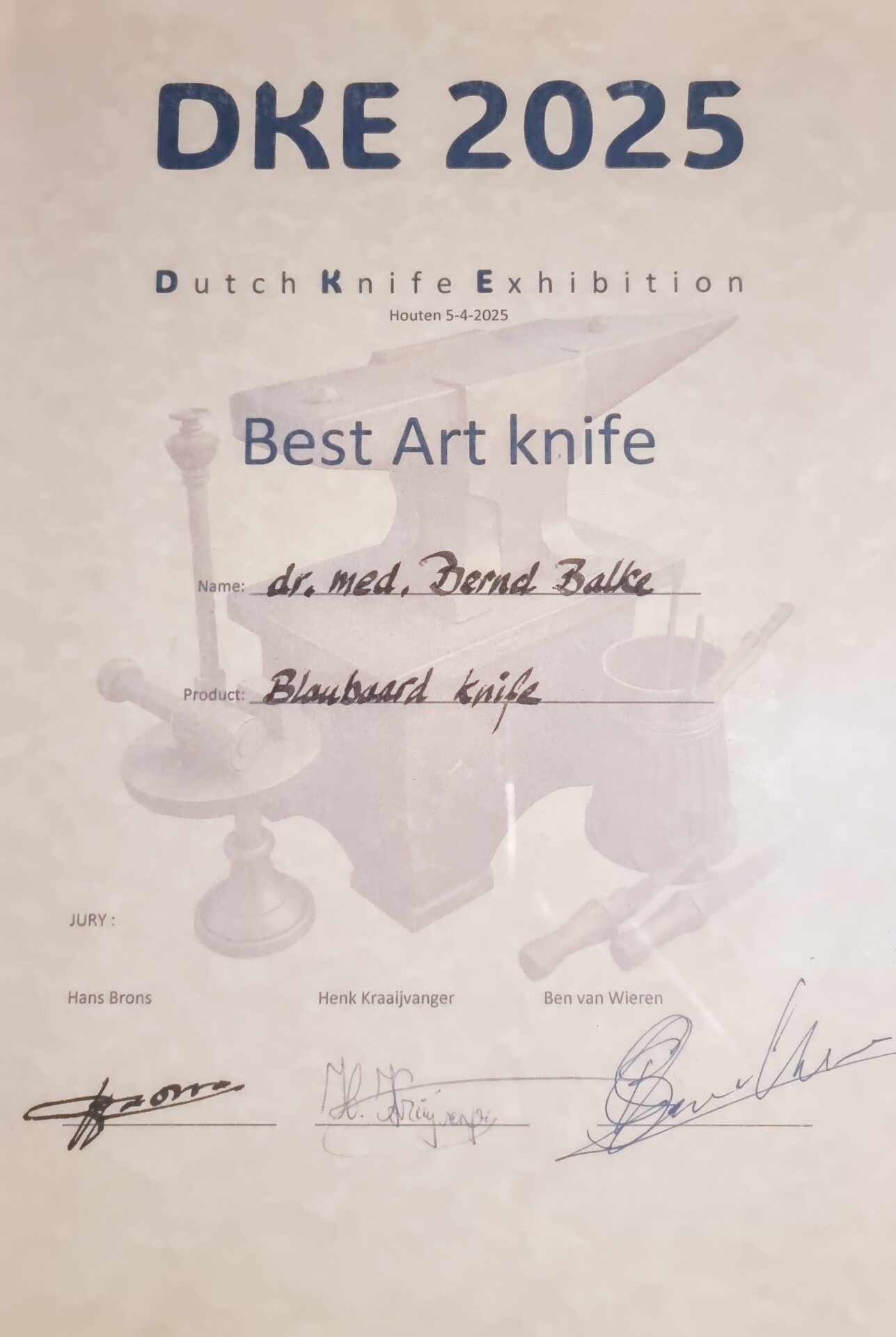
Dr. med. Bernd Balke

After a long and fulfilling career as a physician, I now enjoy working as a designer and craftsman.

The Idea

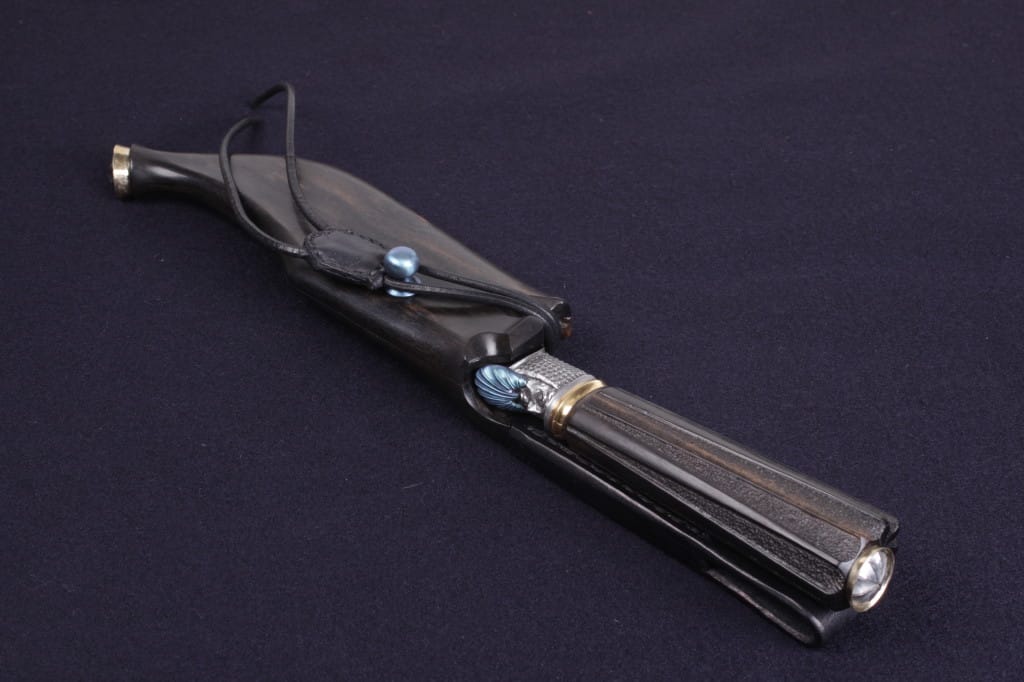
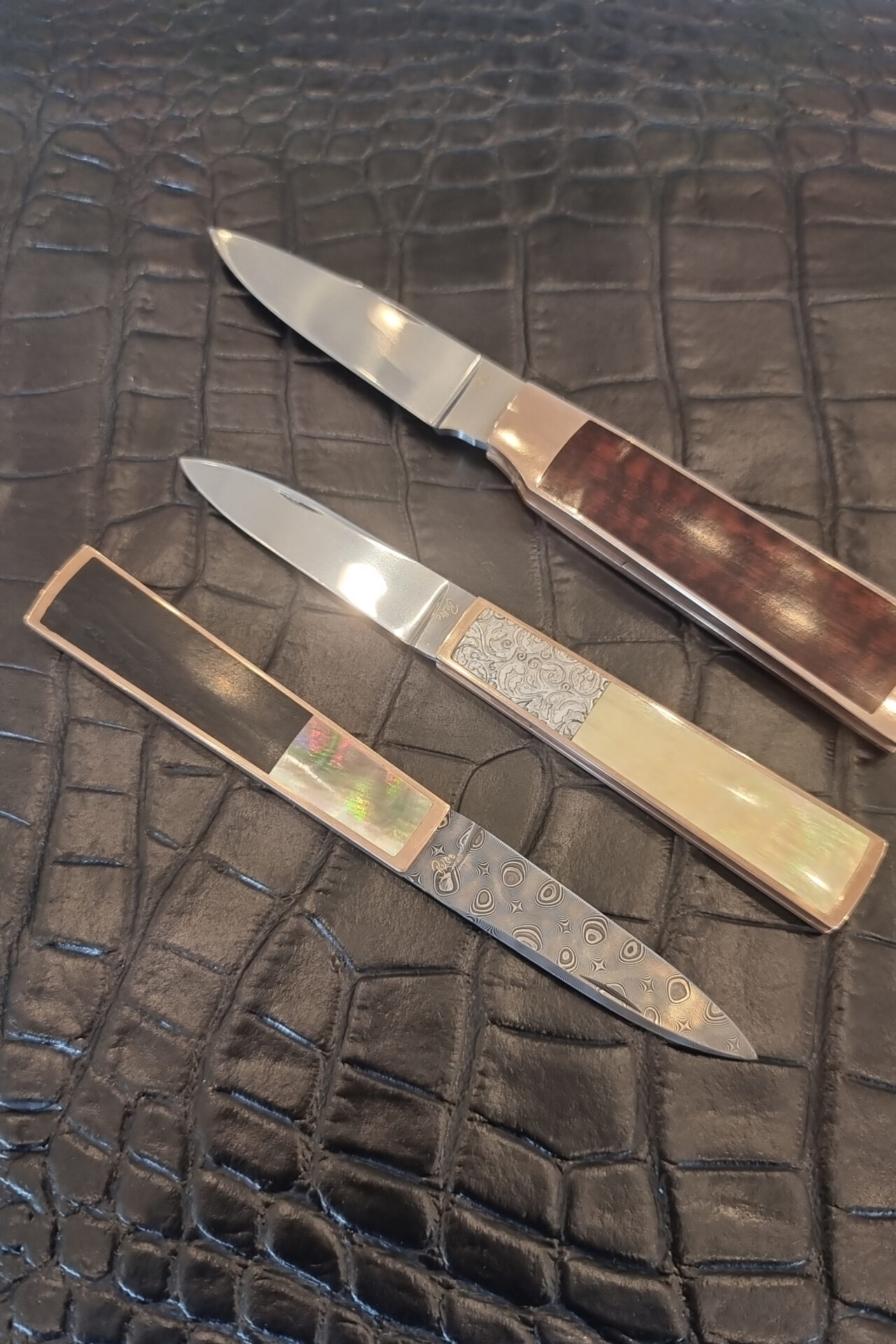
I want to create pocket knives that are a pleasure to hold and belong more with pocket watches, fountain pens, and silver cigar cases than with folding shovels and multitools.

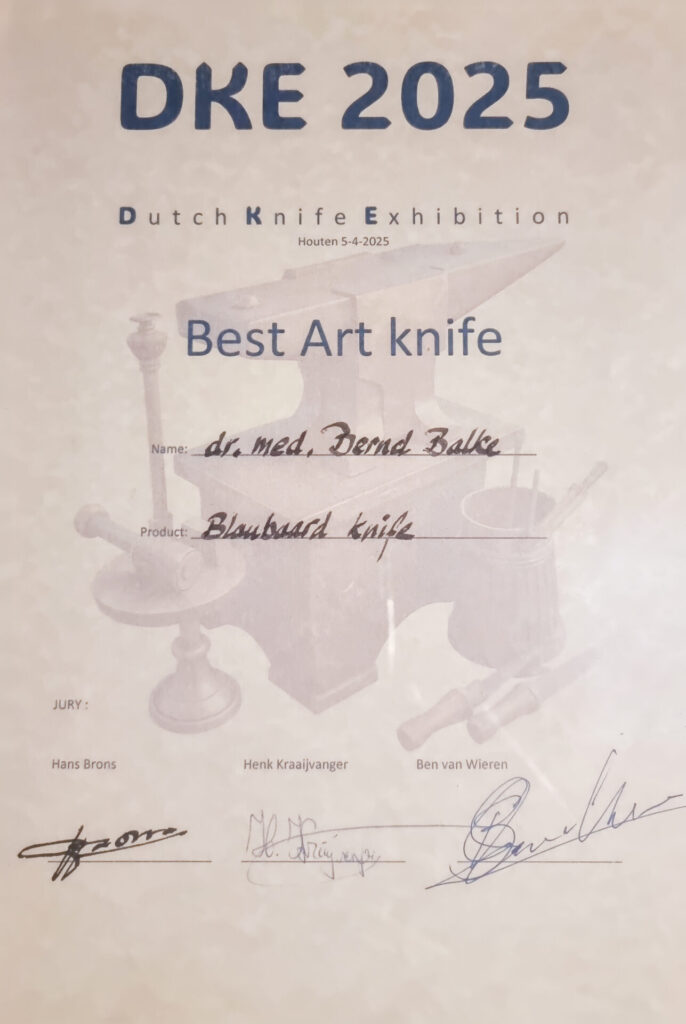
I am a member of the German Knifemakers’ Guild and proud to be invited to exhibit at some of the most prestigious shows in Europe.

As an exhibitor, I can be found at the following events:

Highlights

Materials

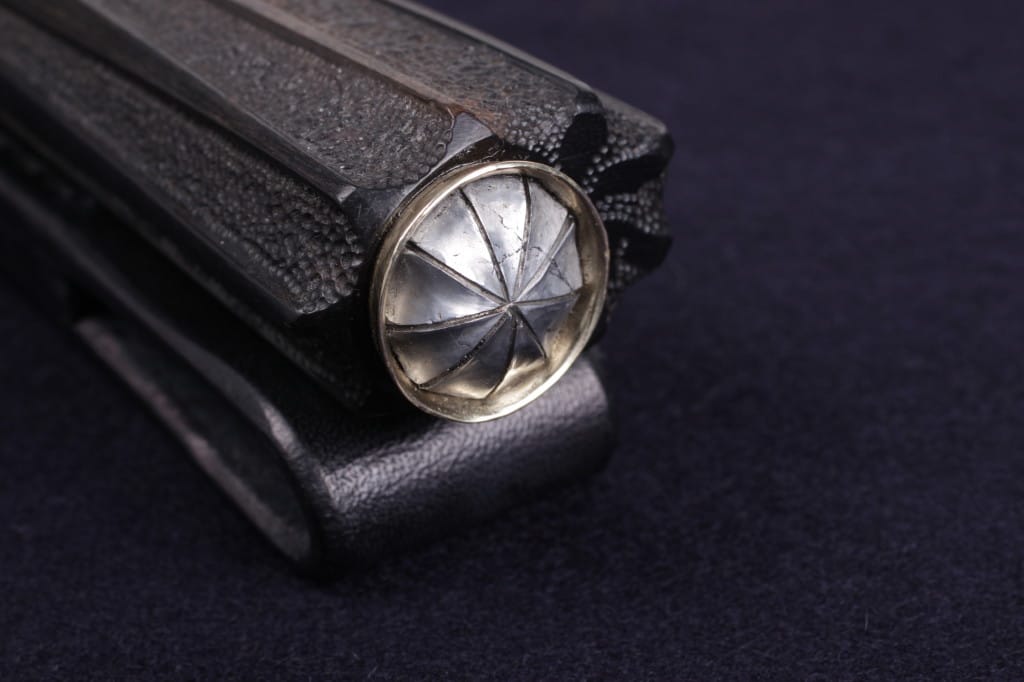
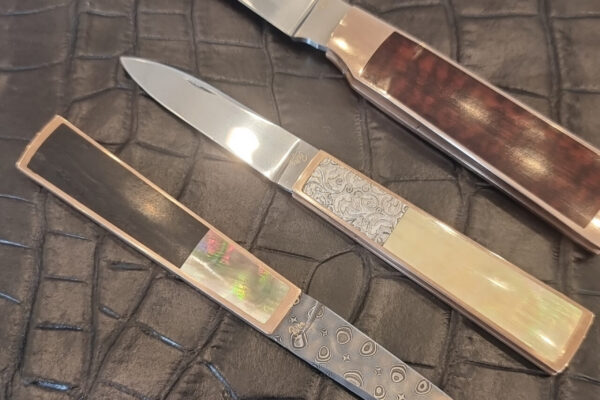
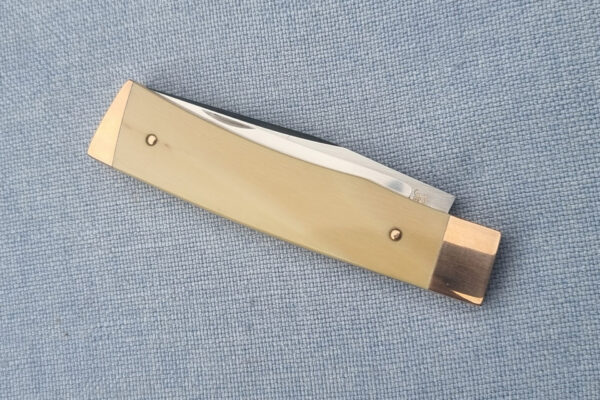
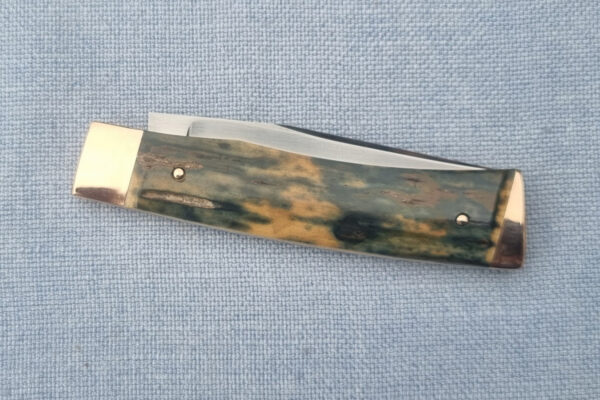
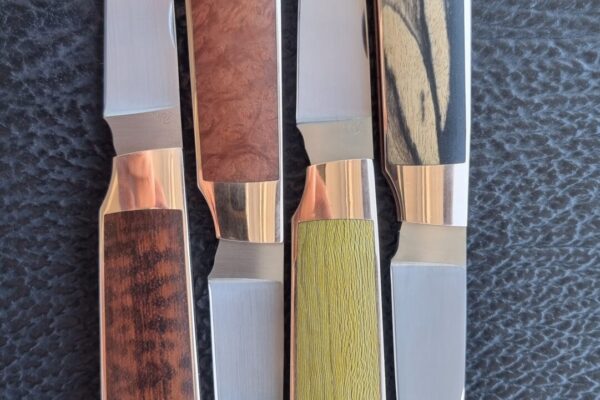
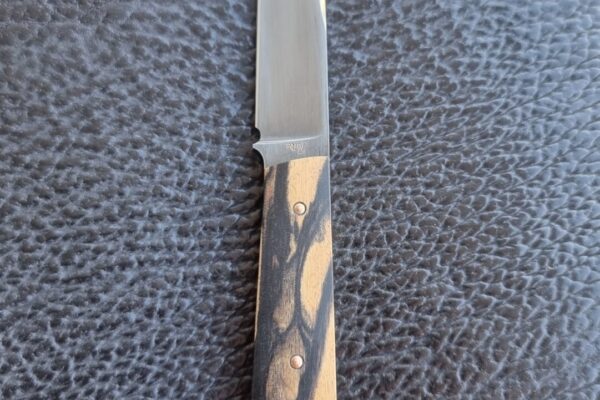
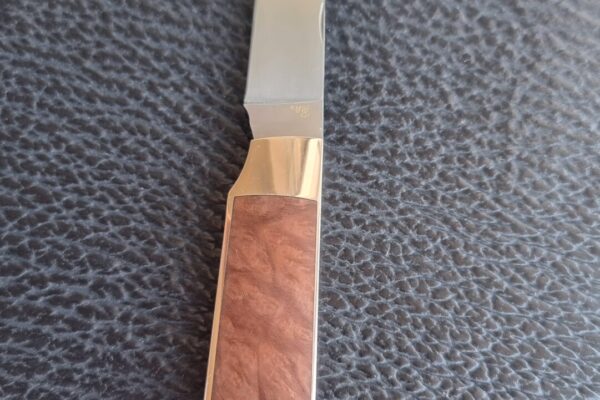
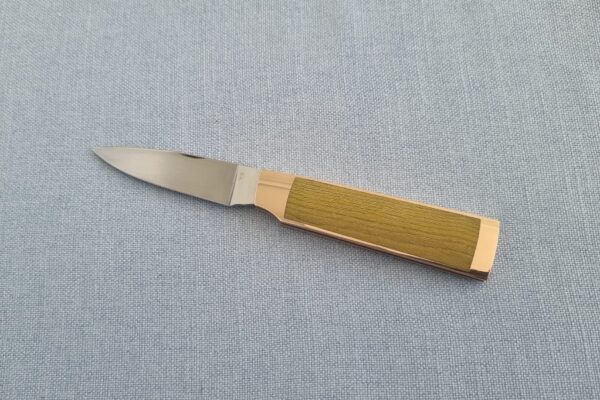
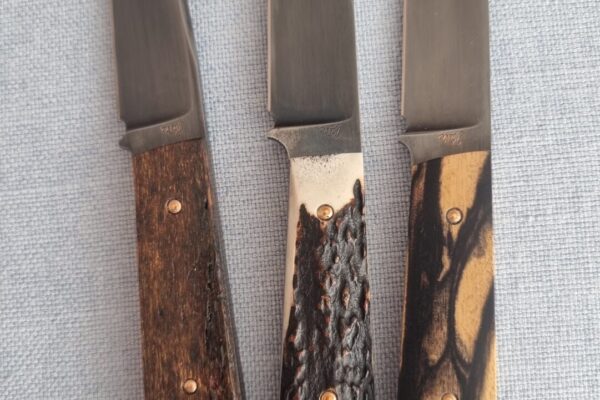
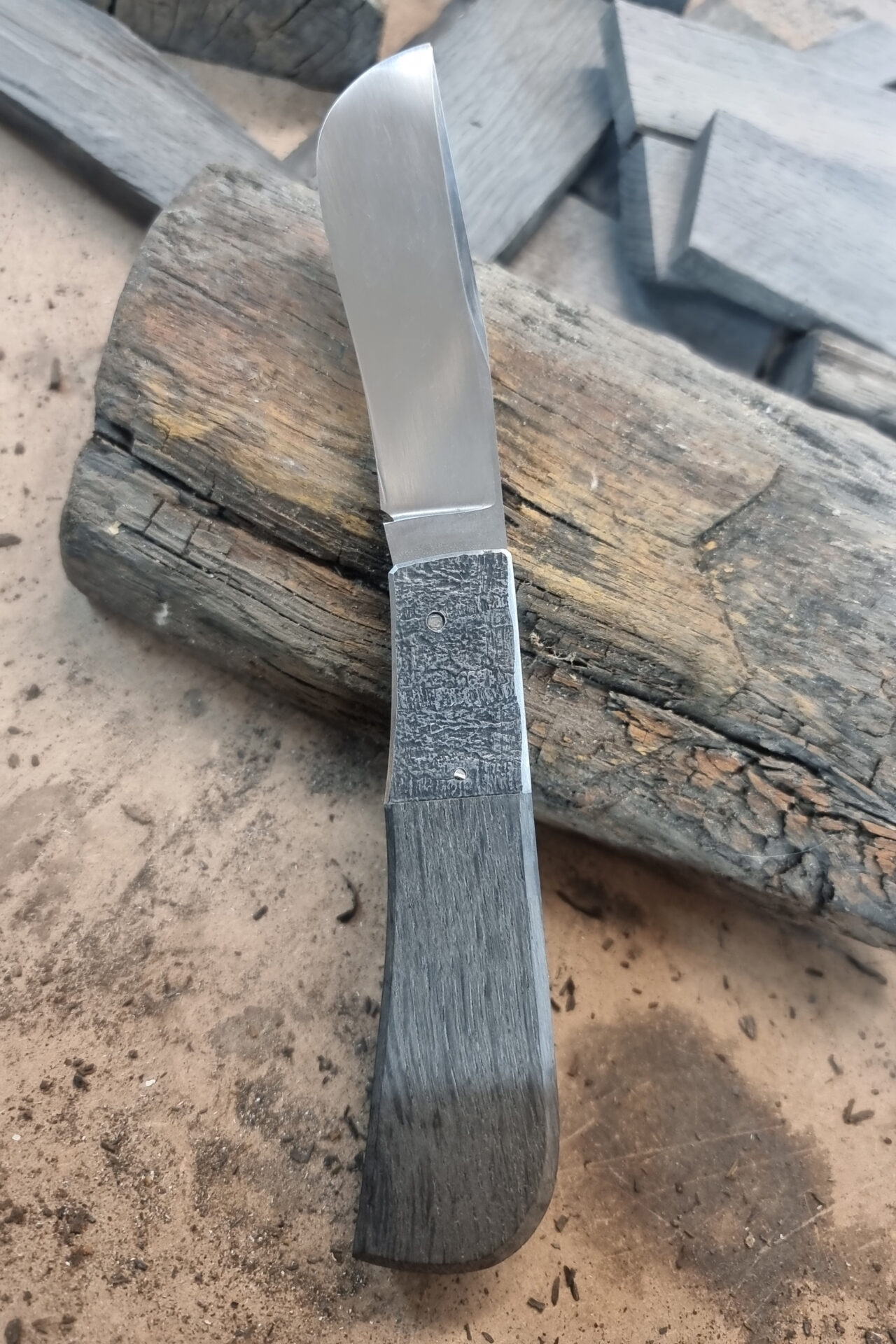
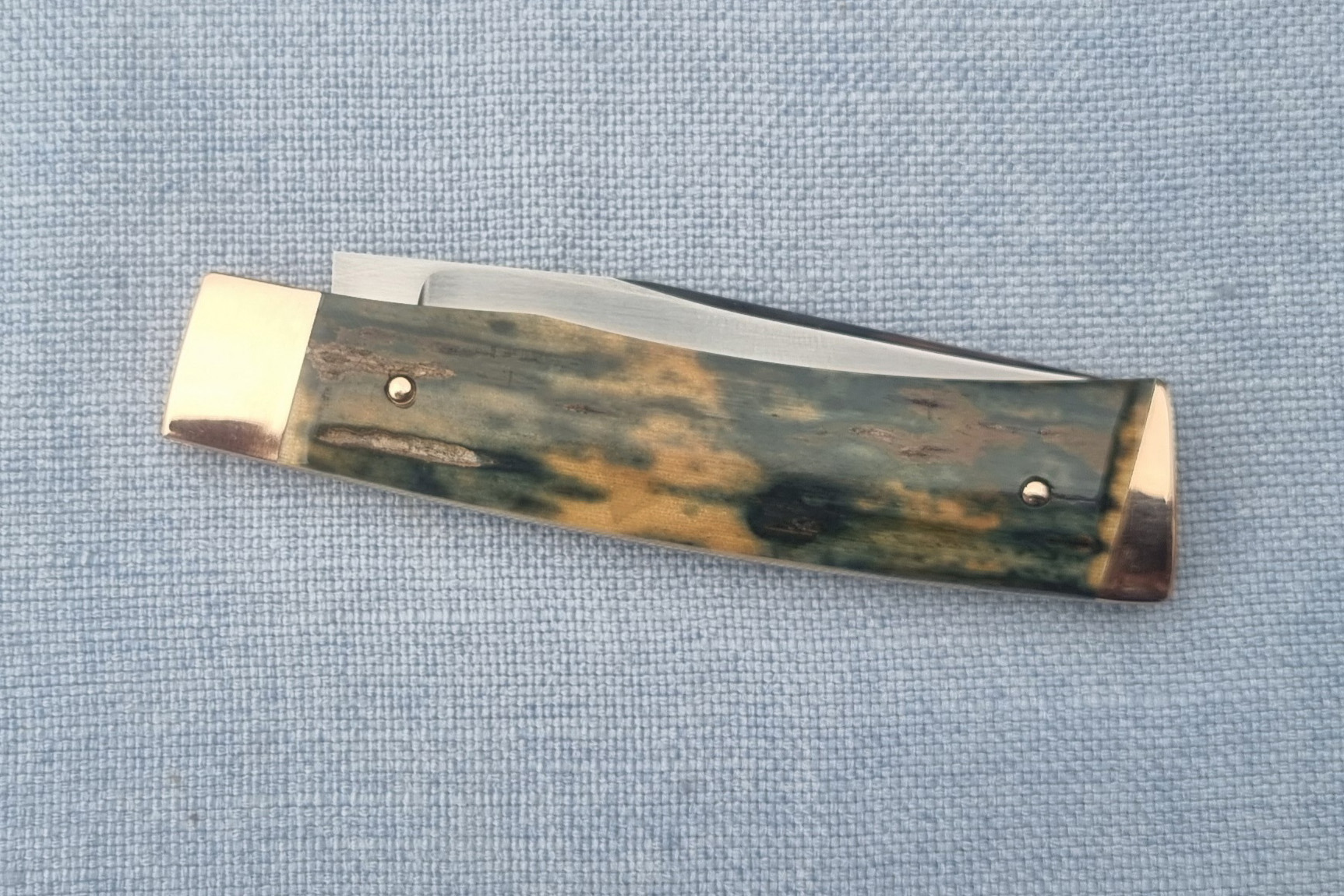
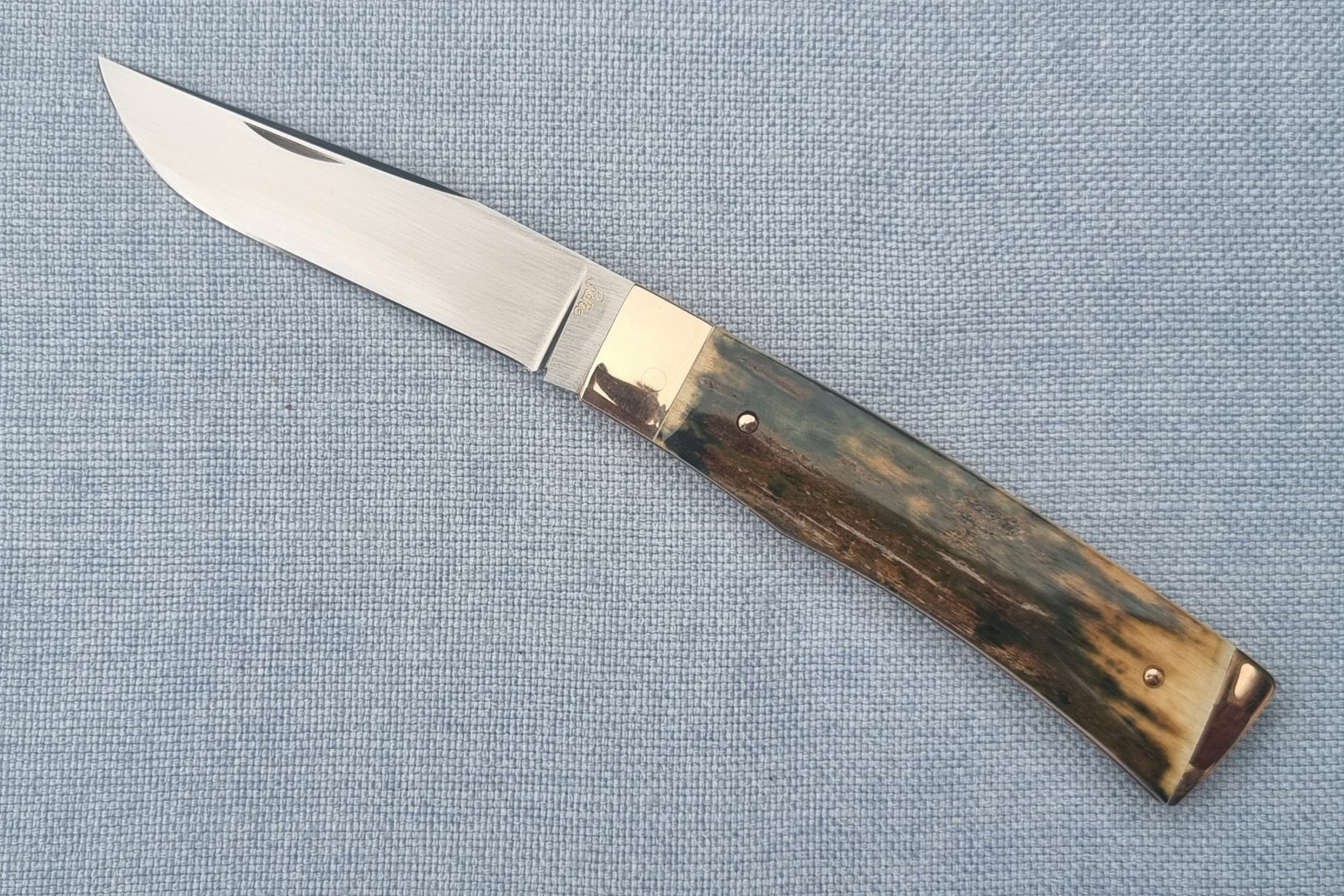
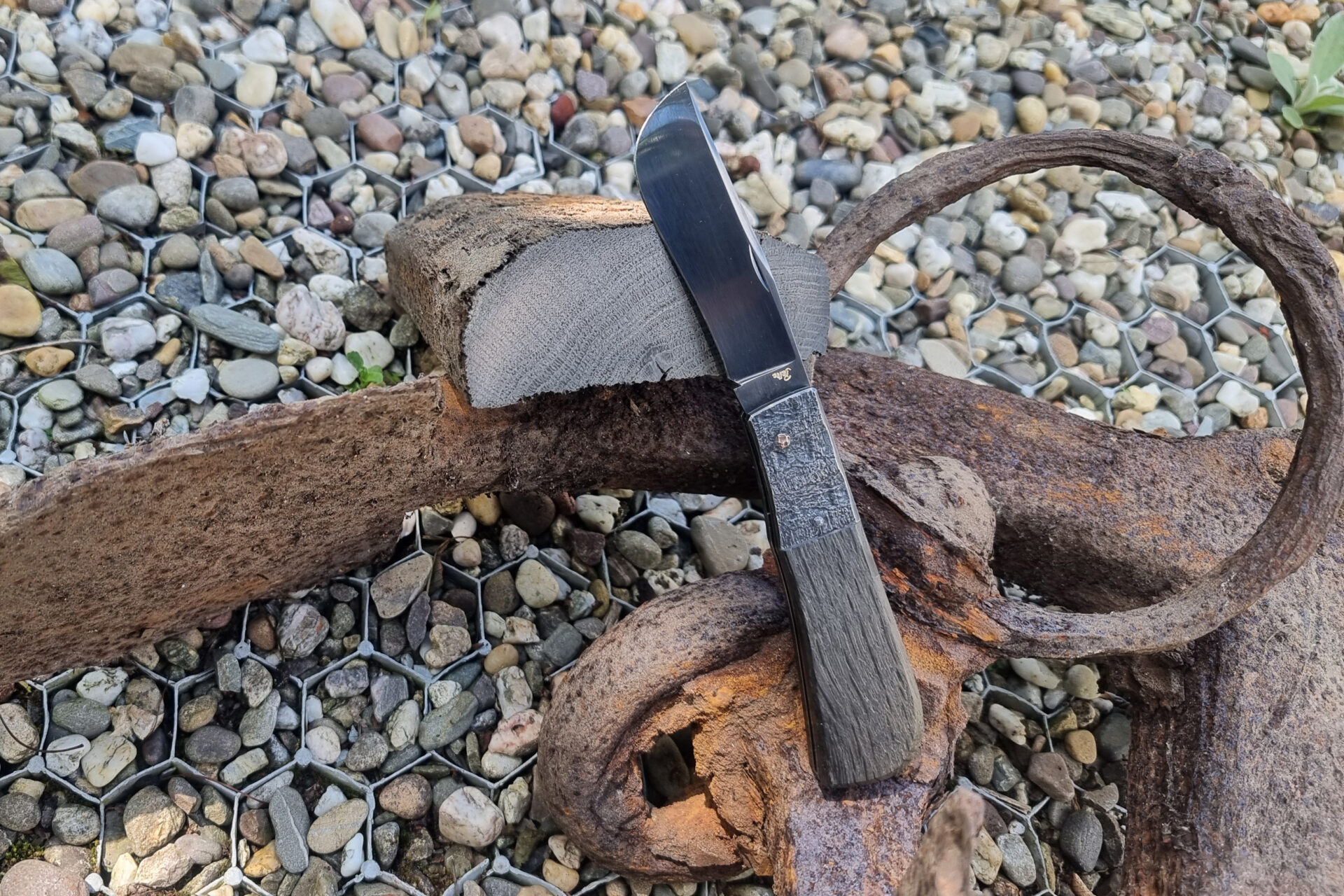
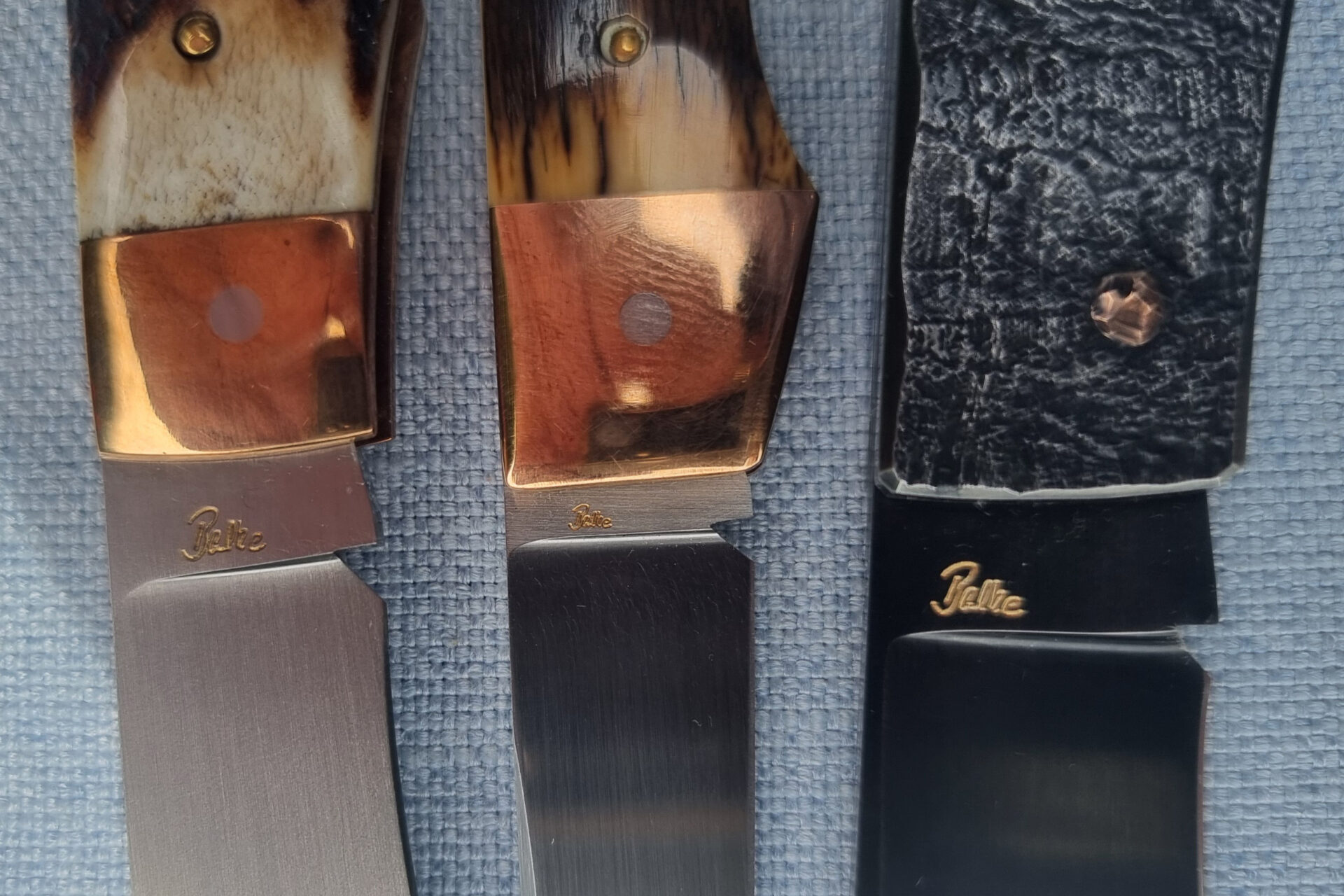
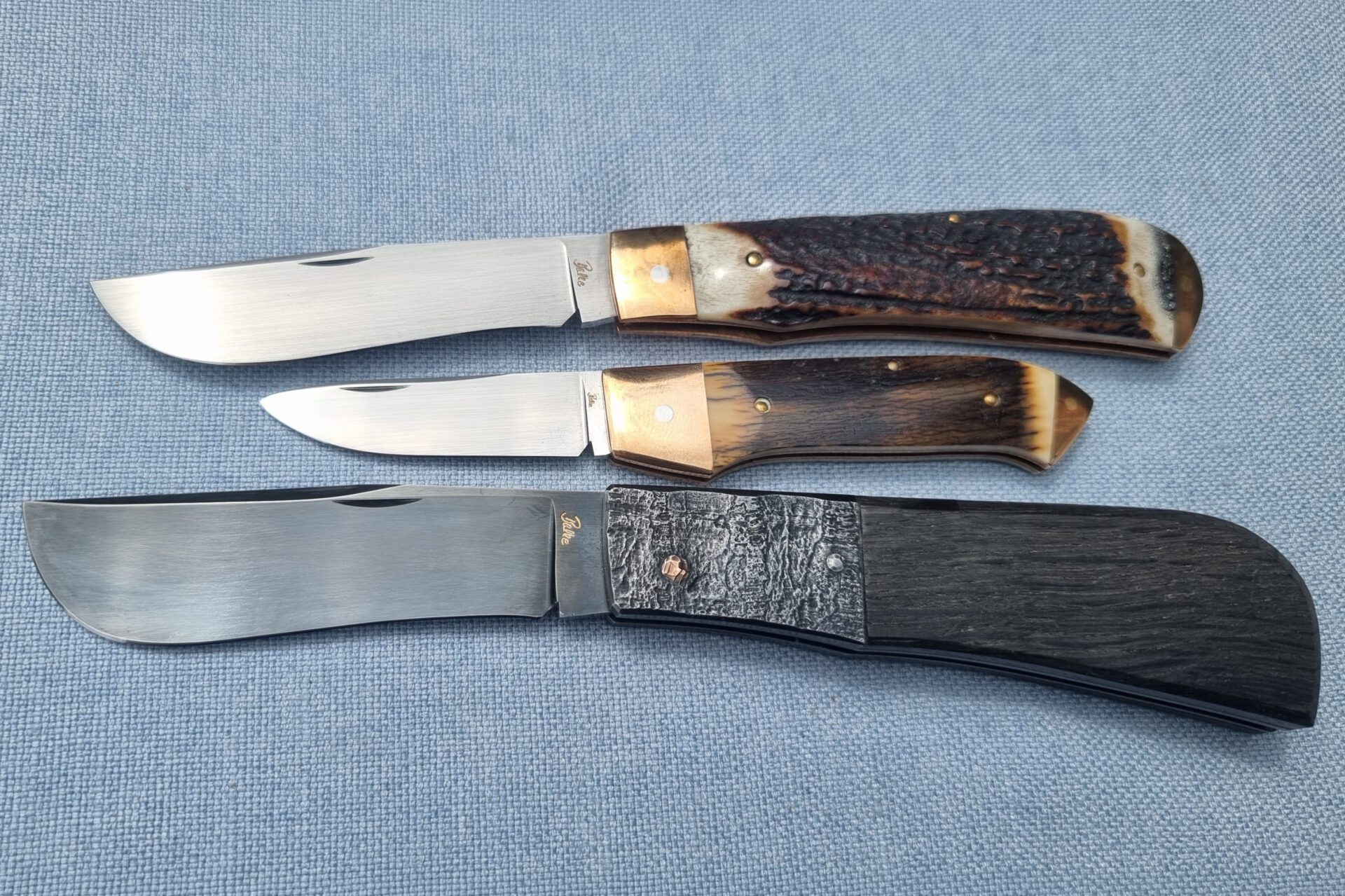
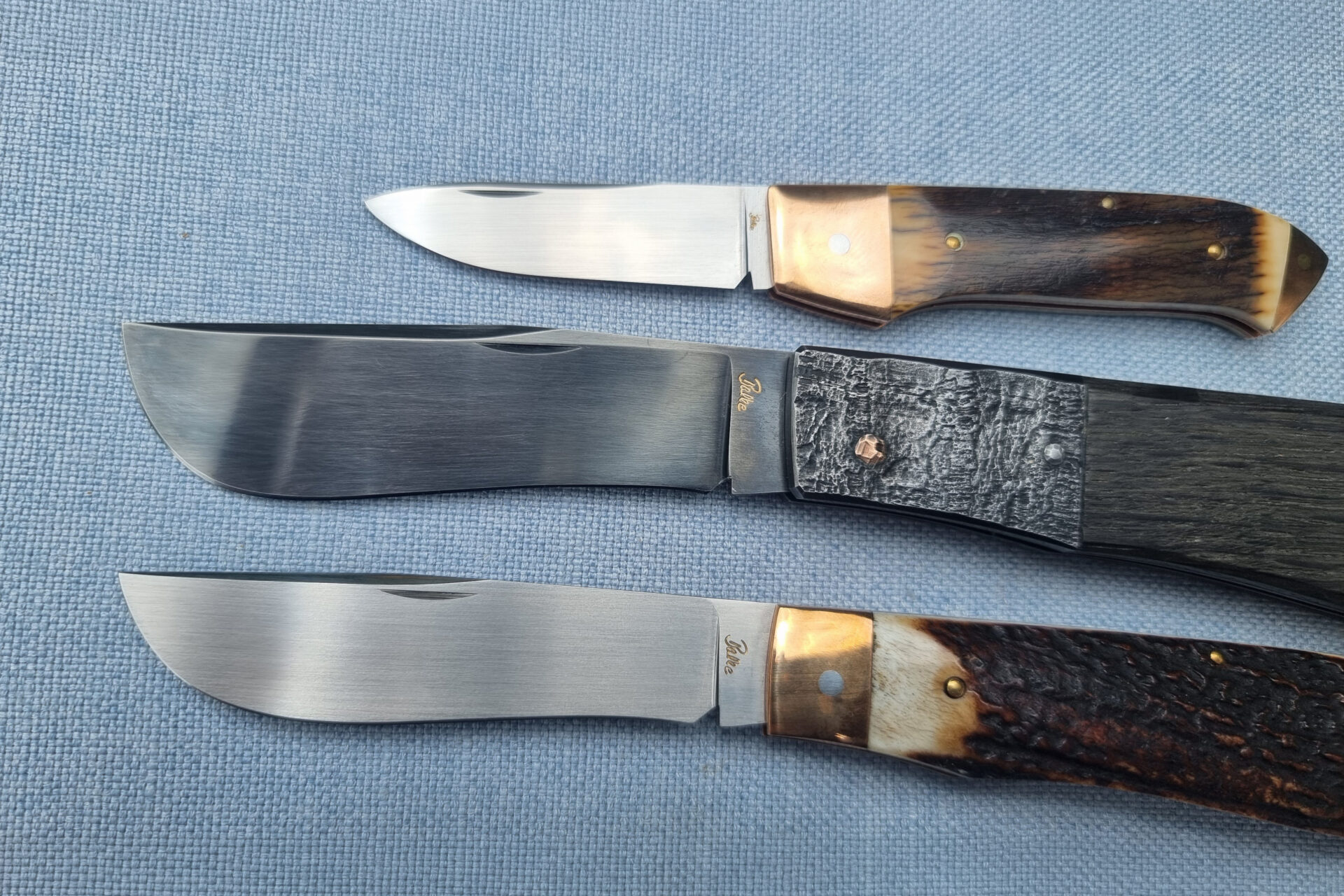
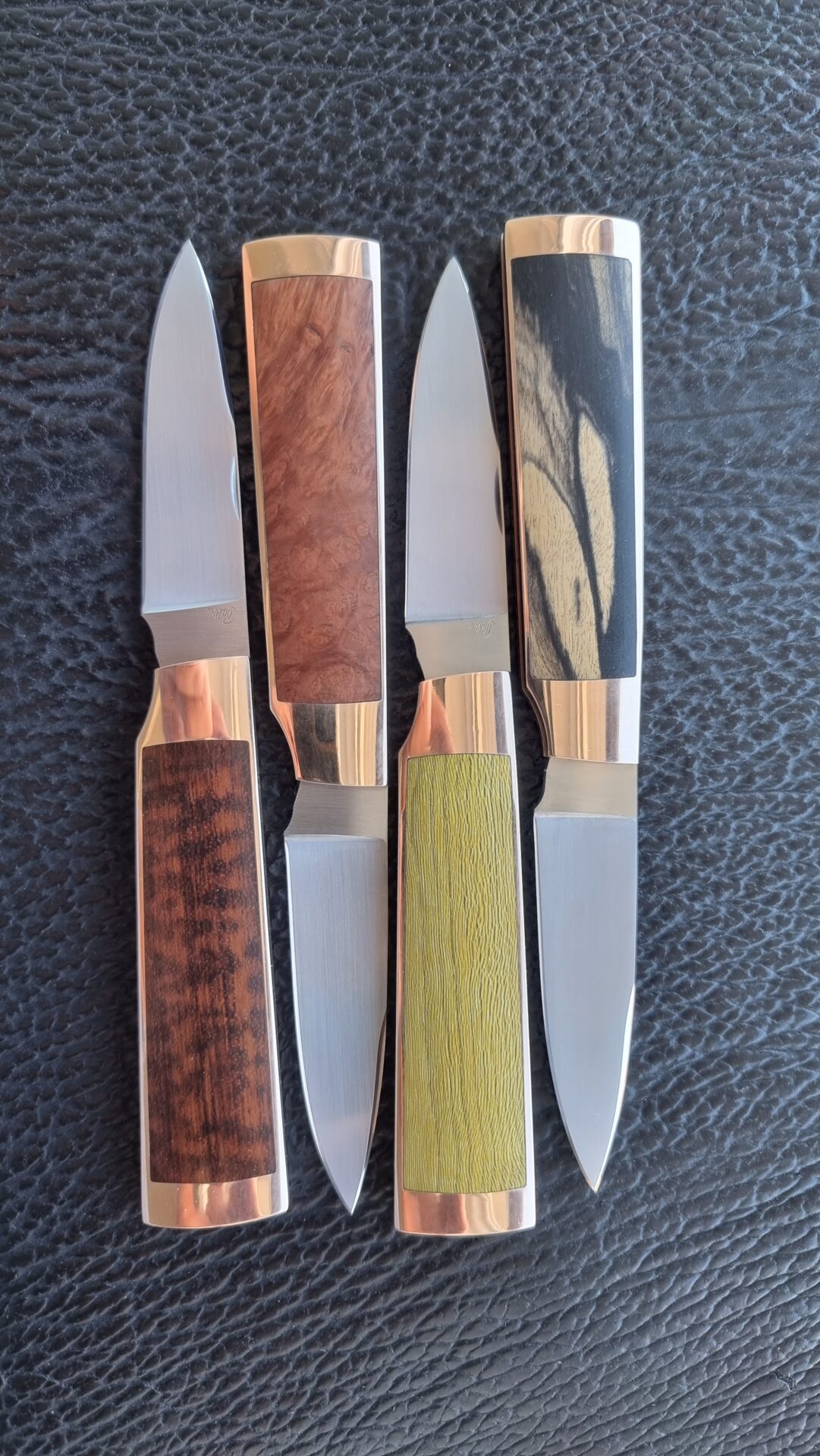
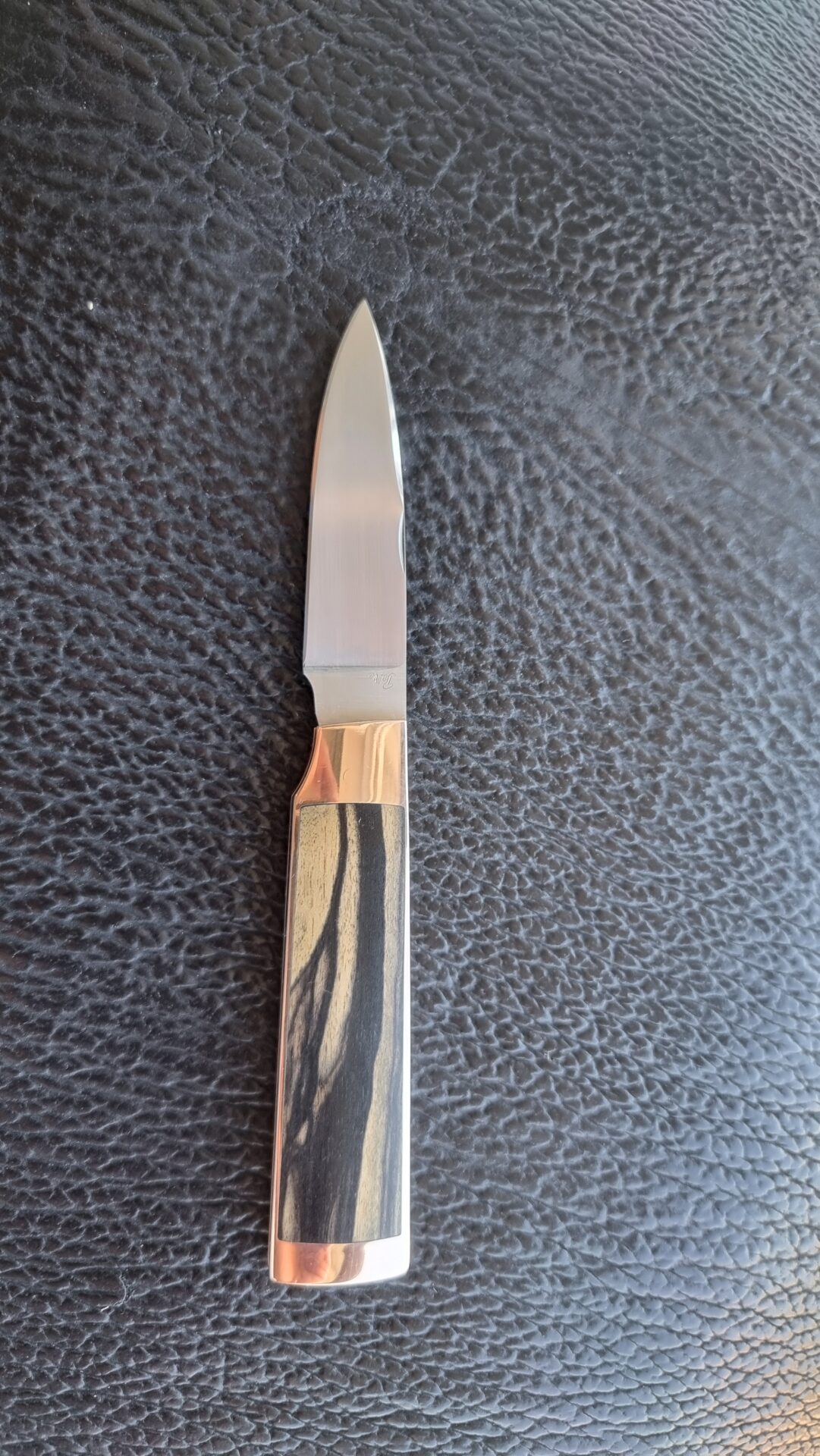
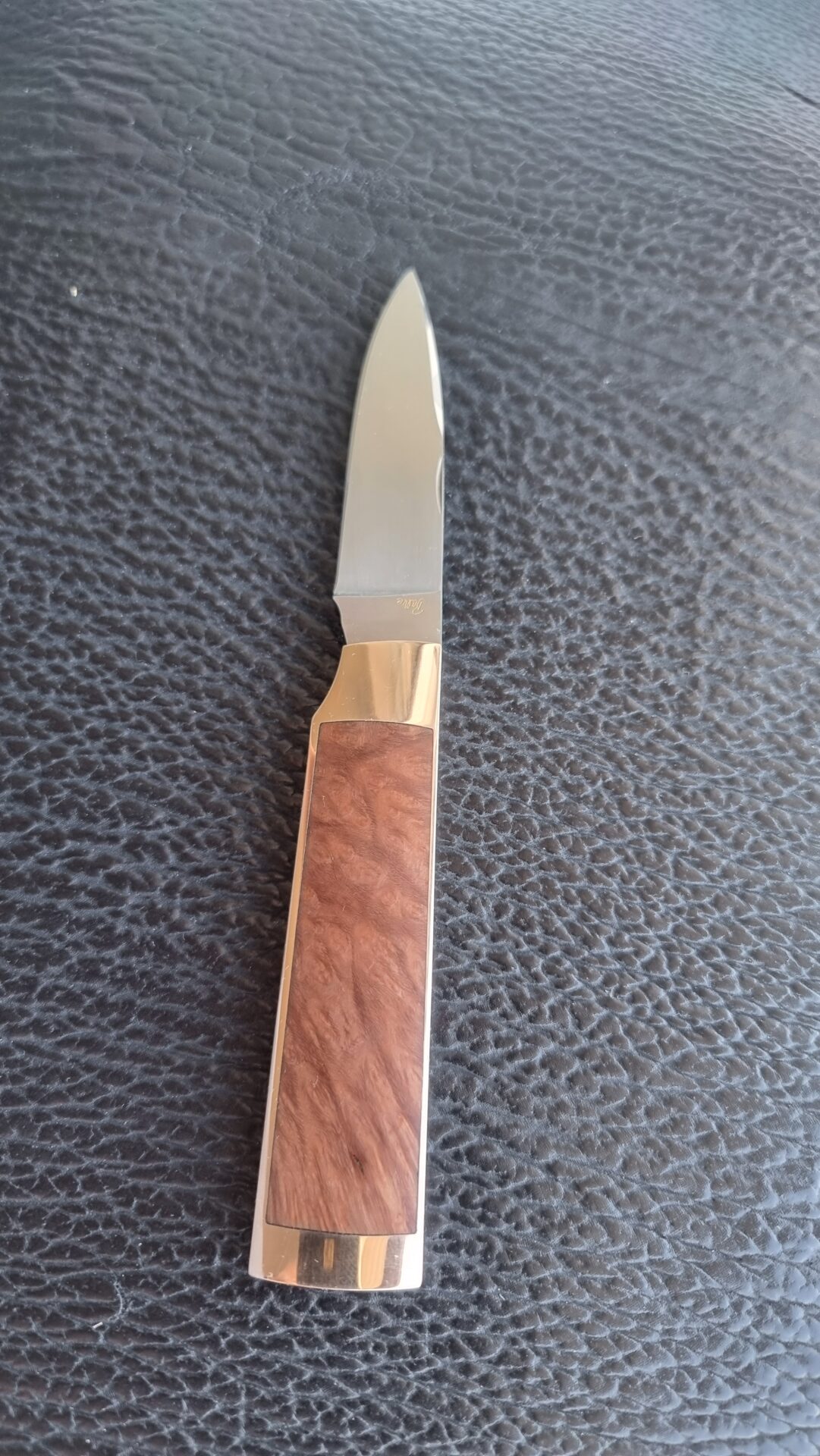
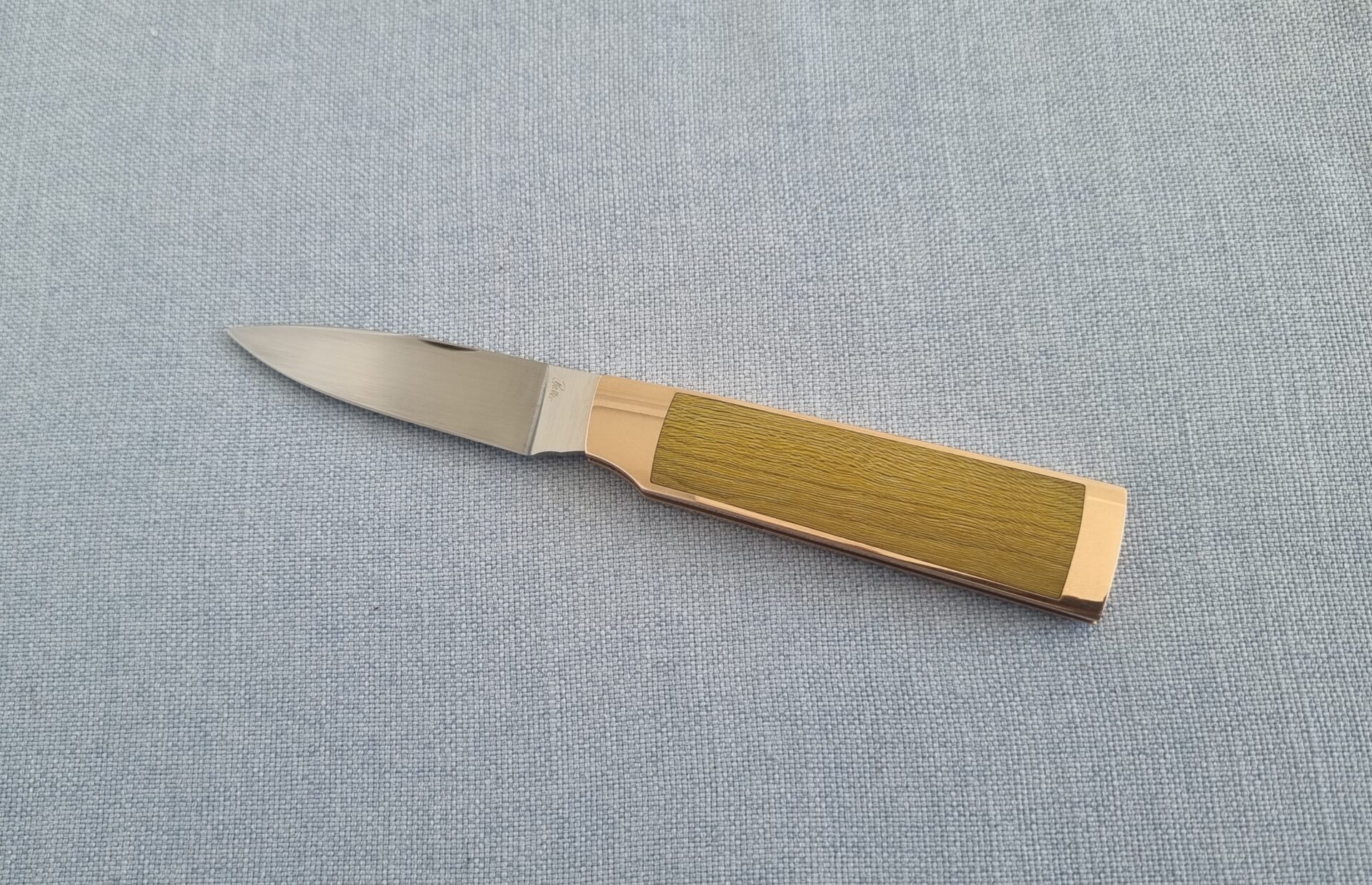
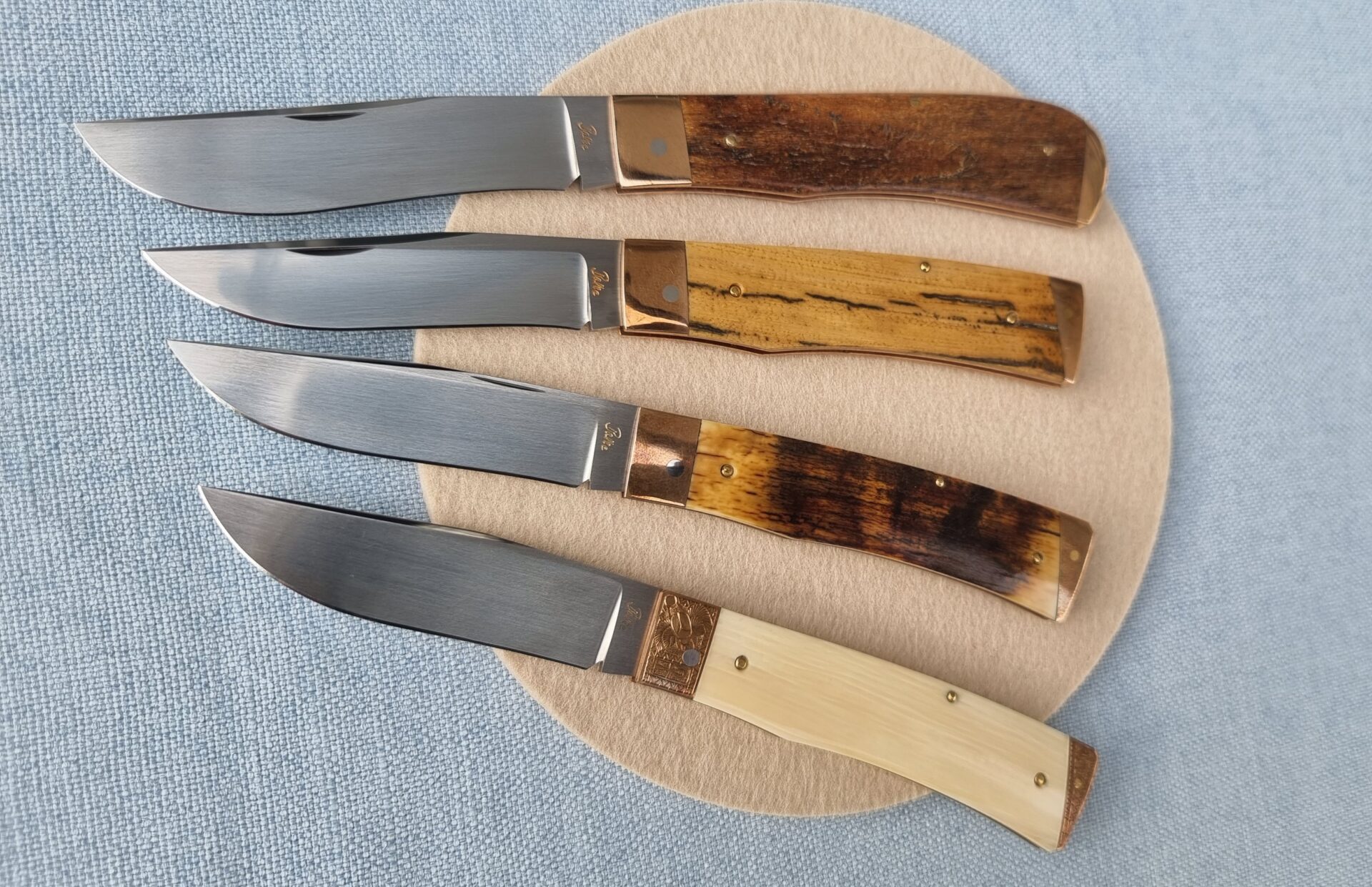
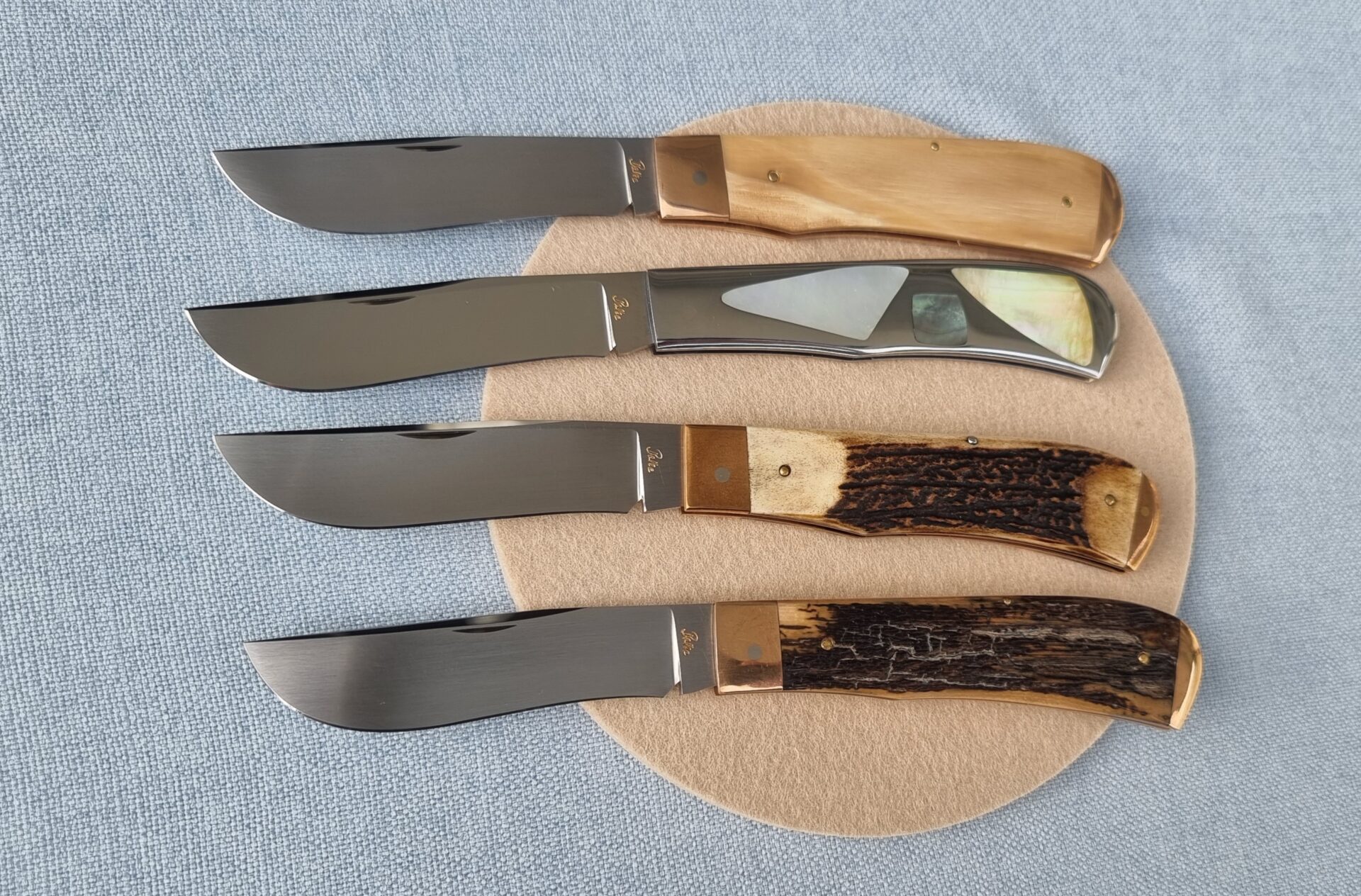
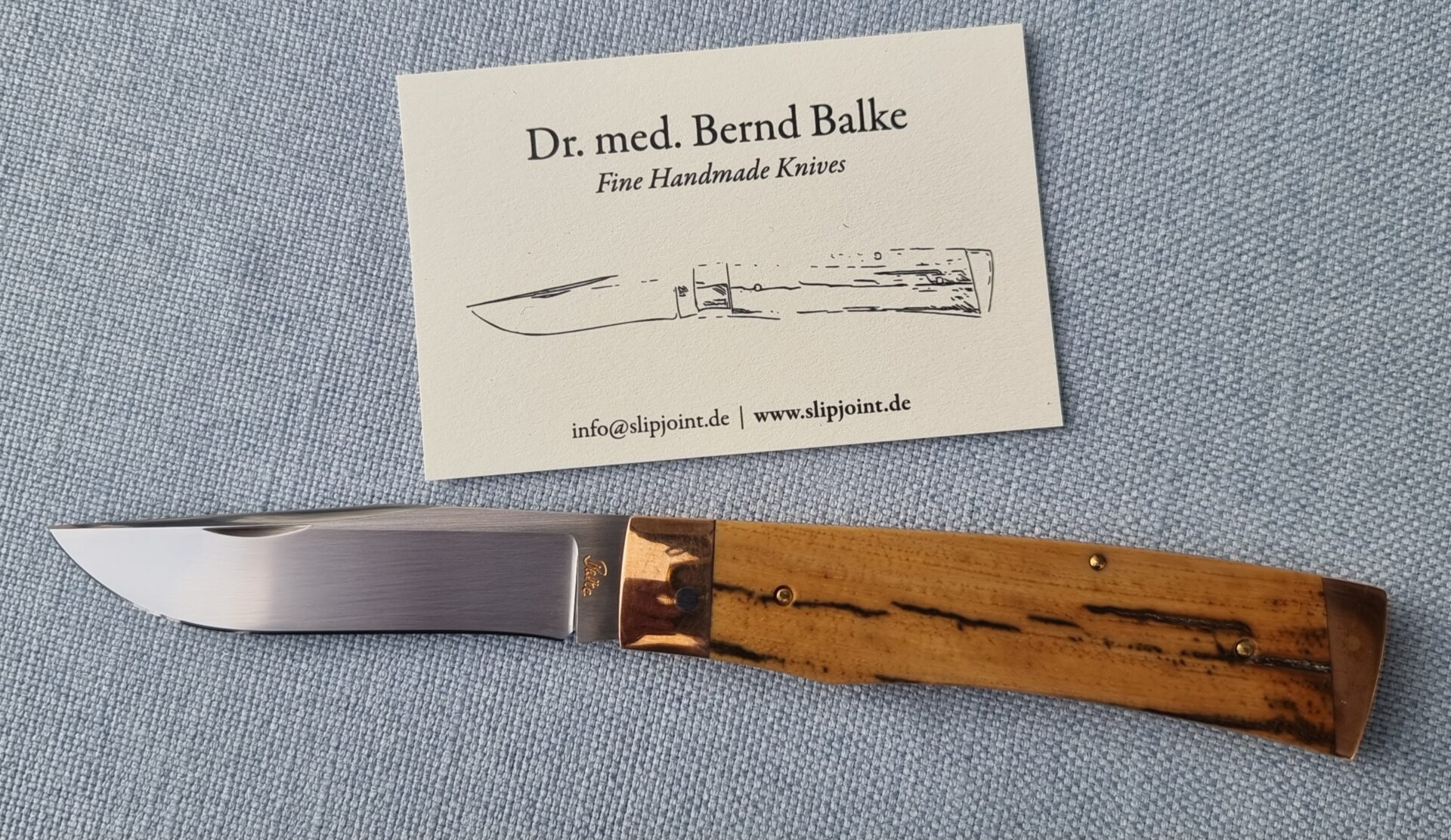
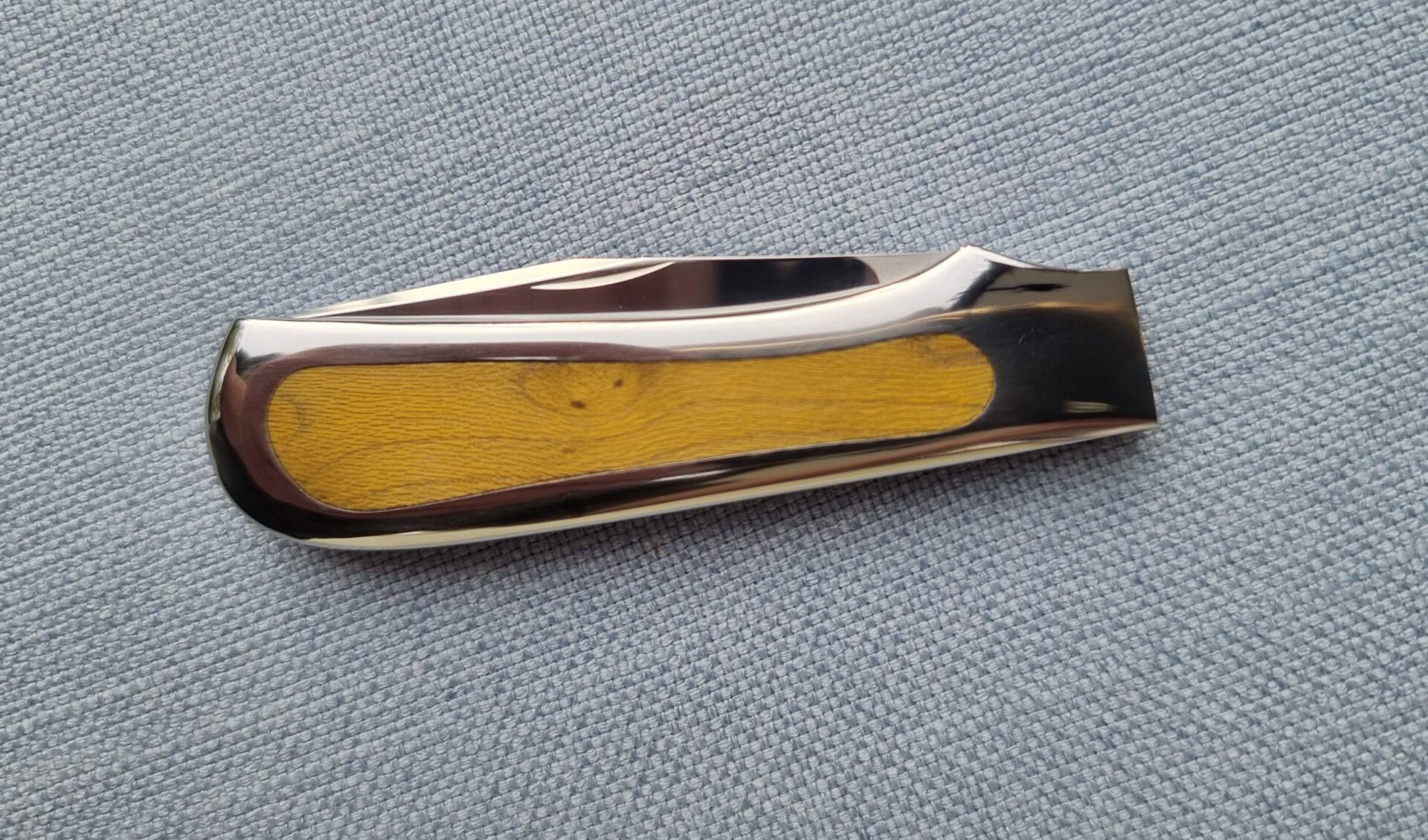
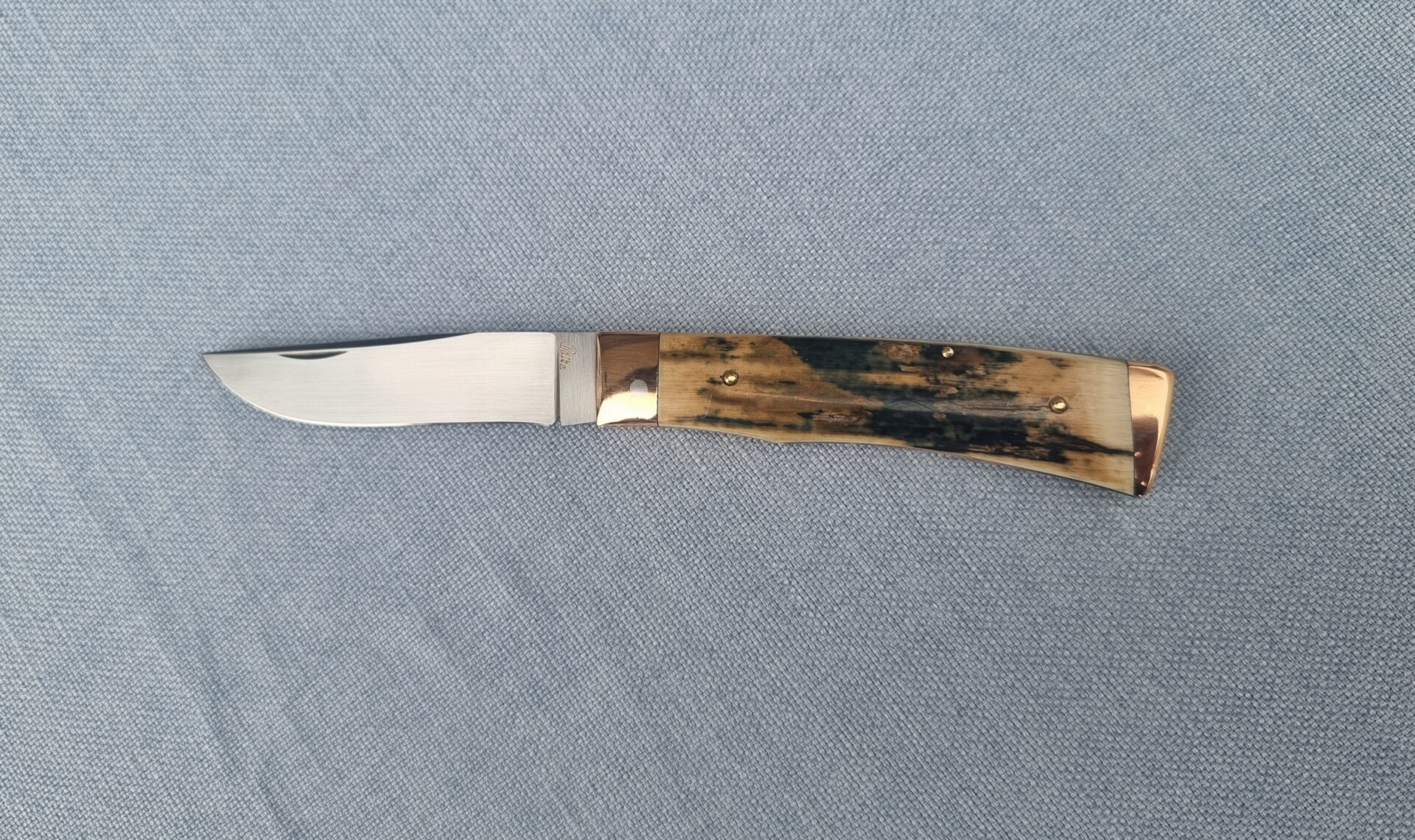
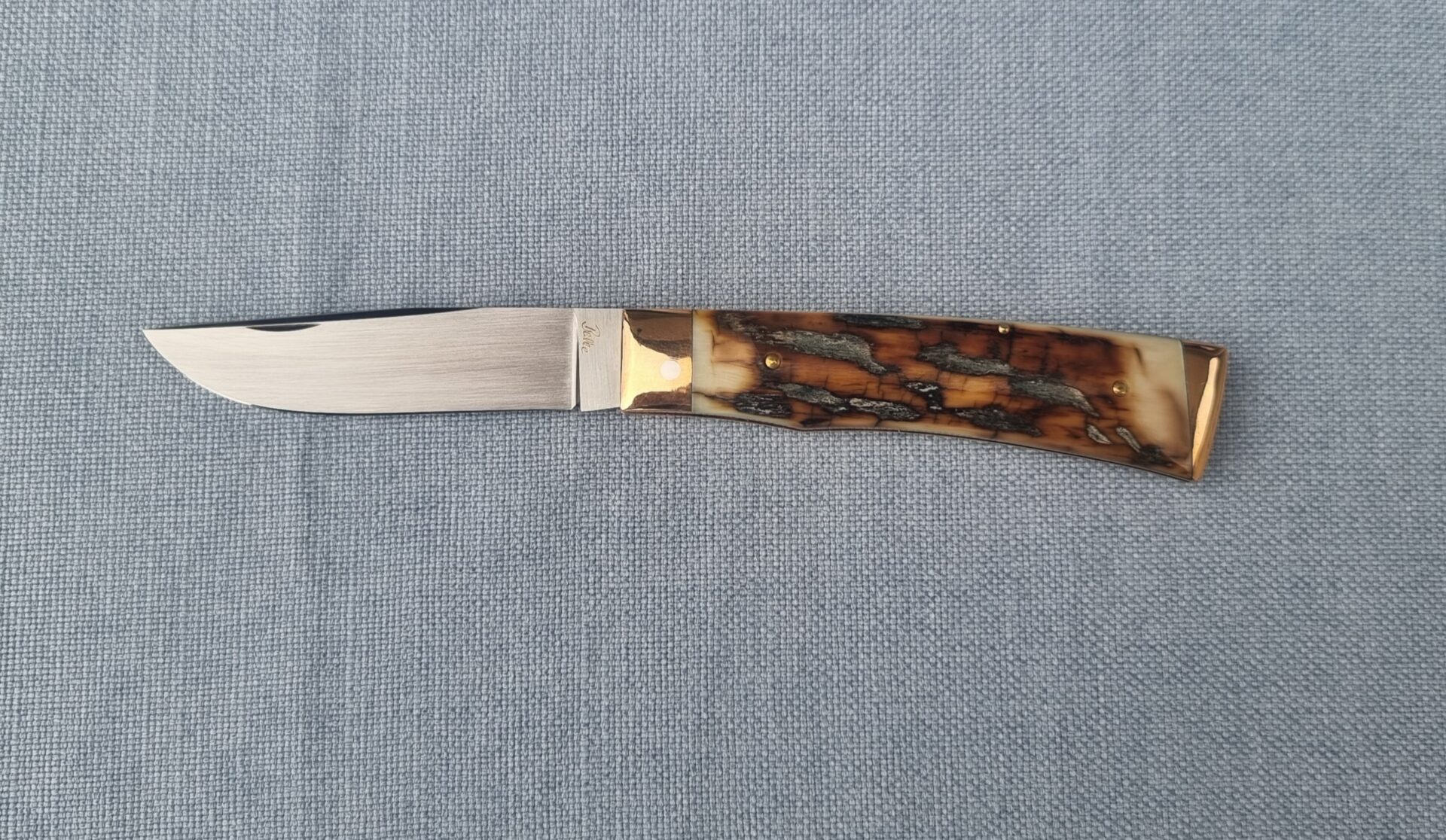
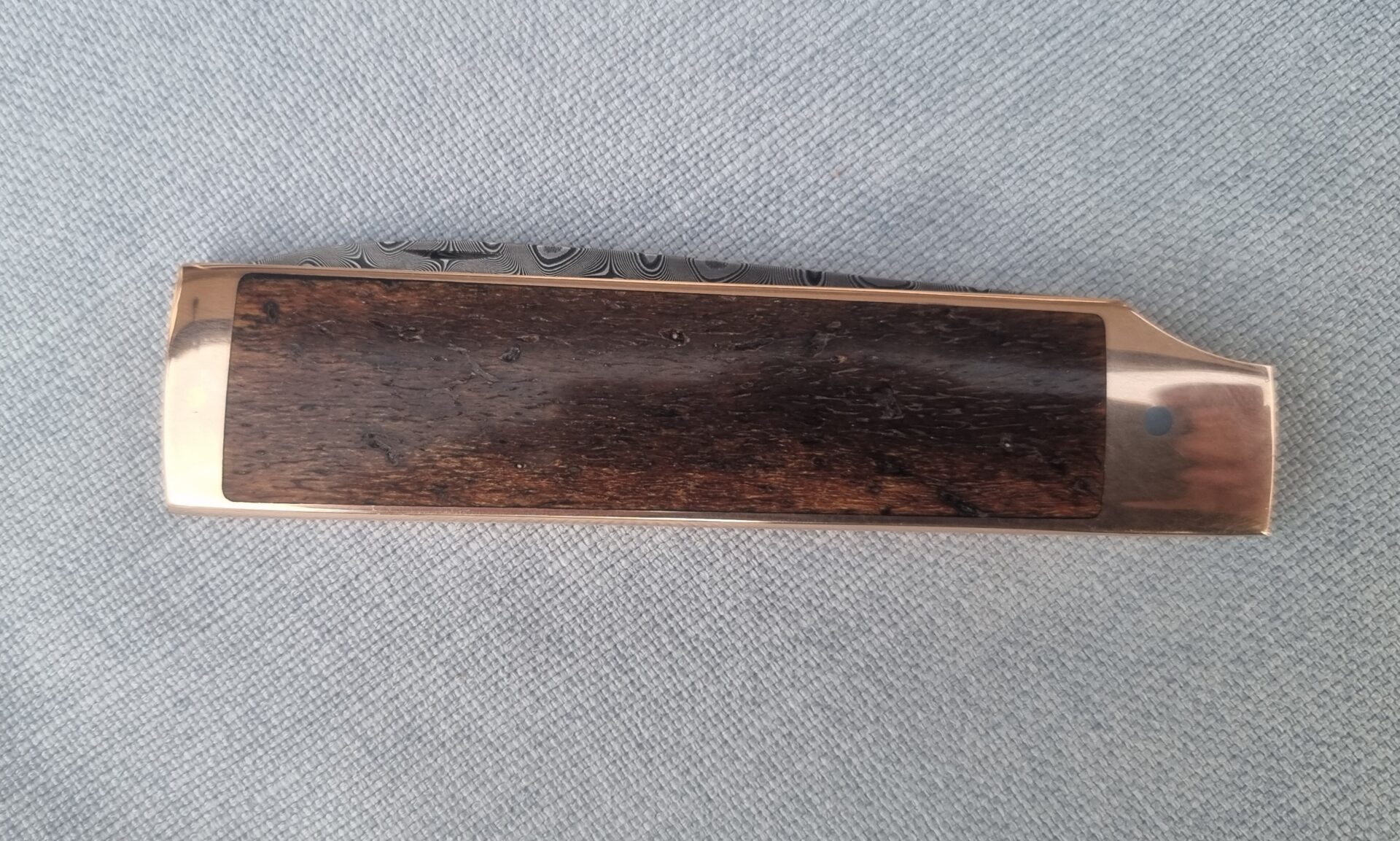
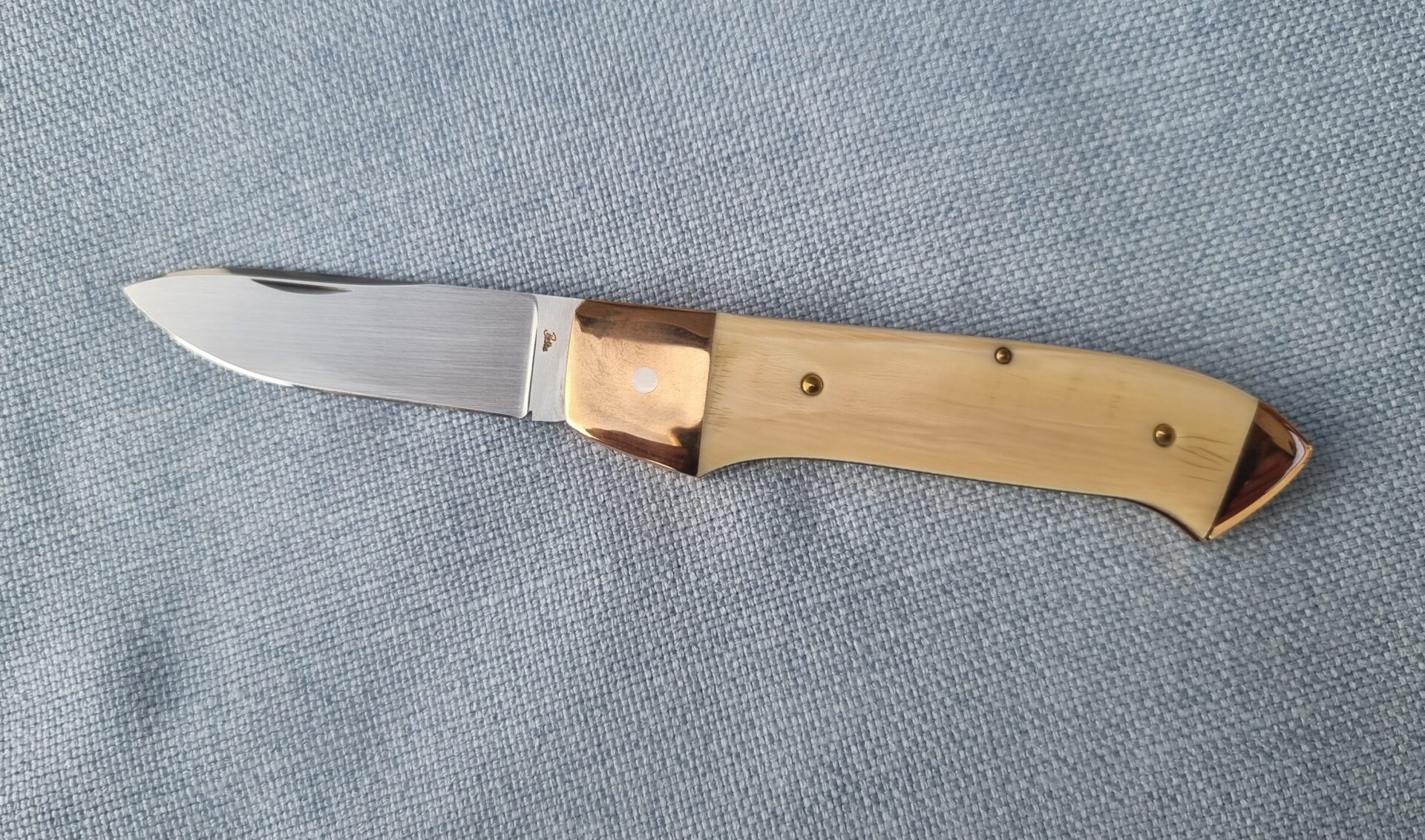
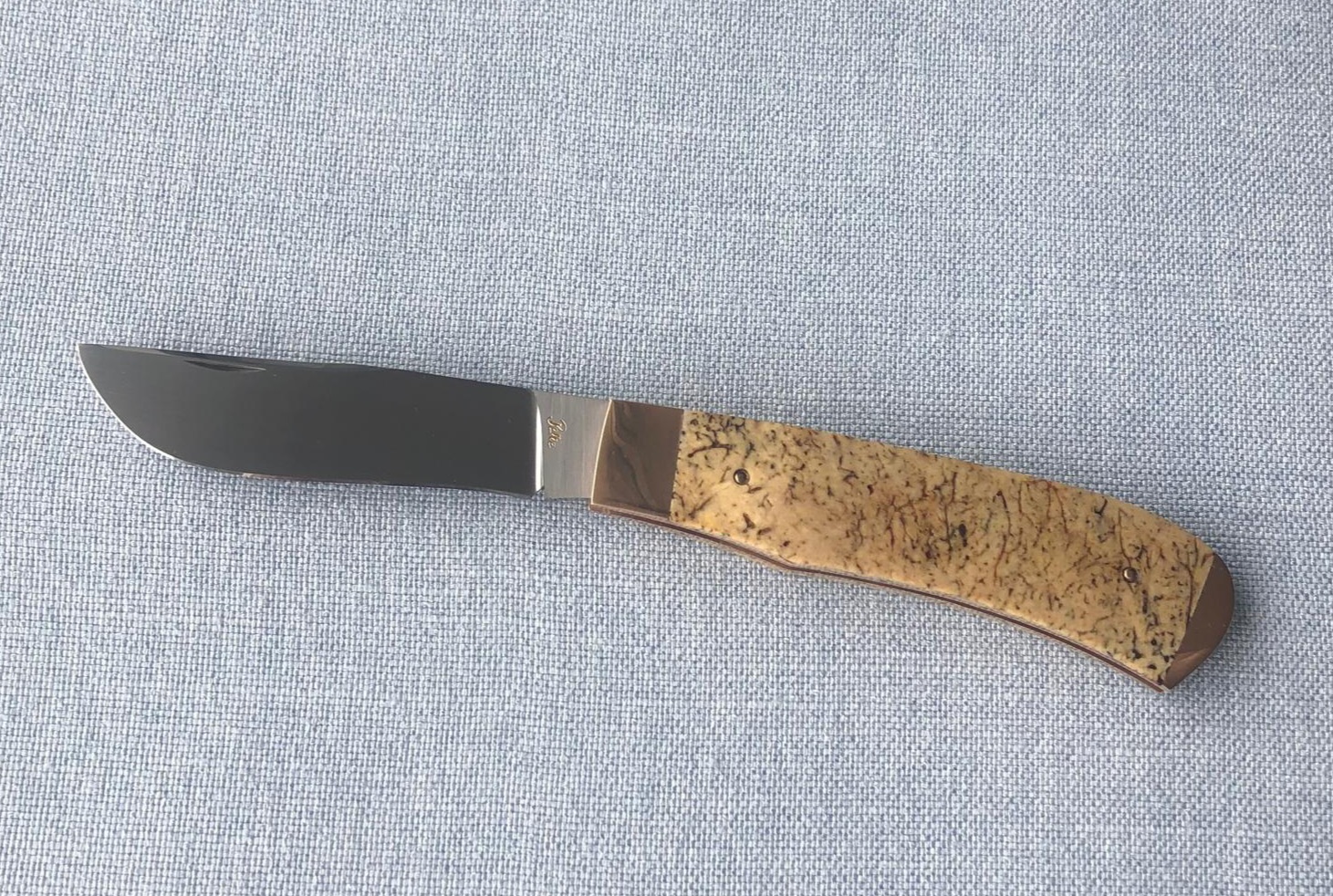
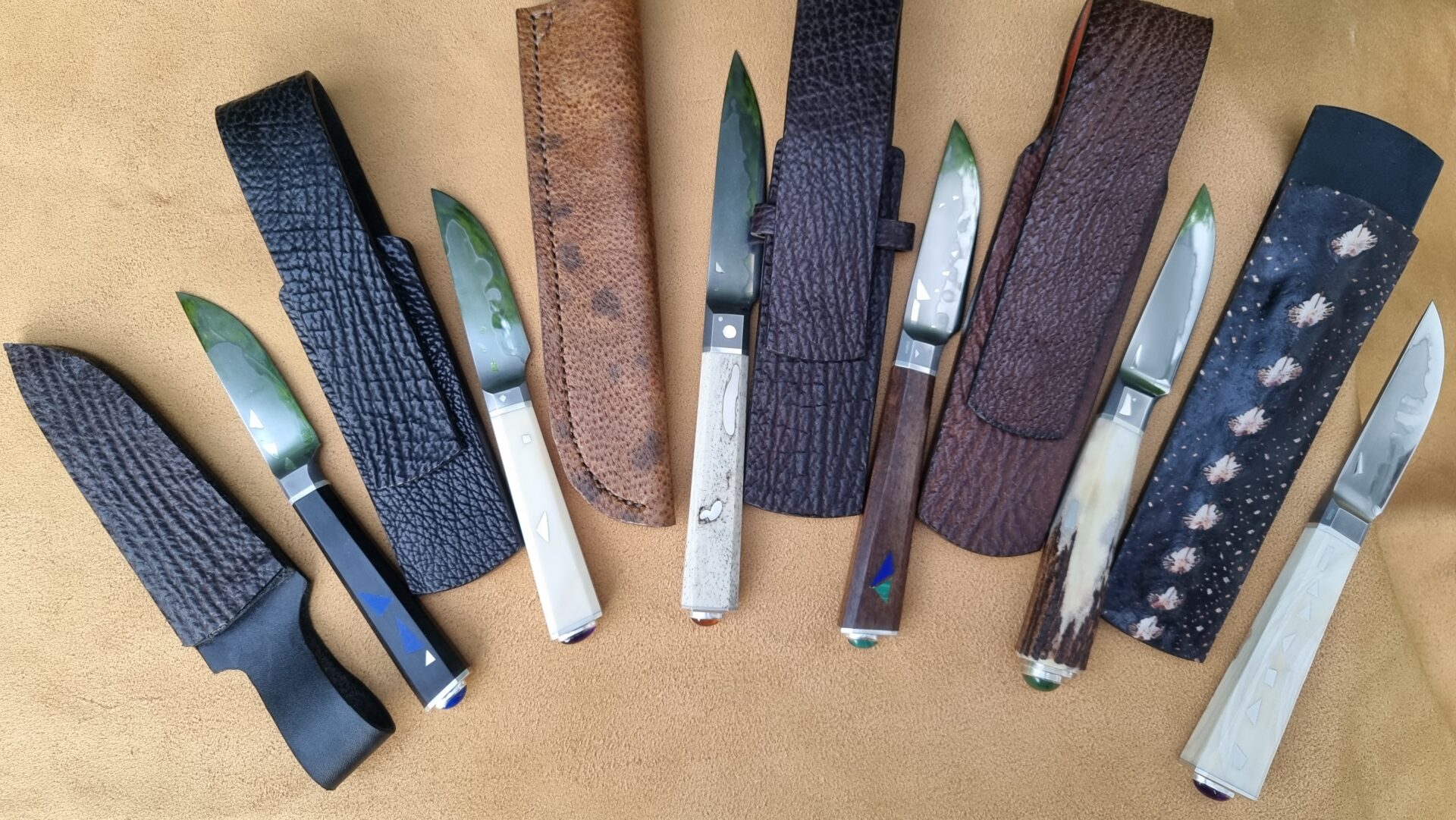
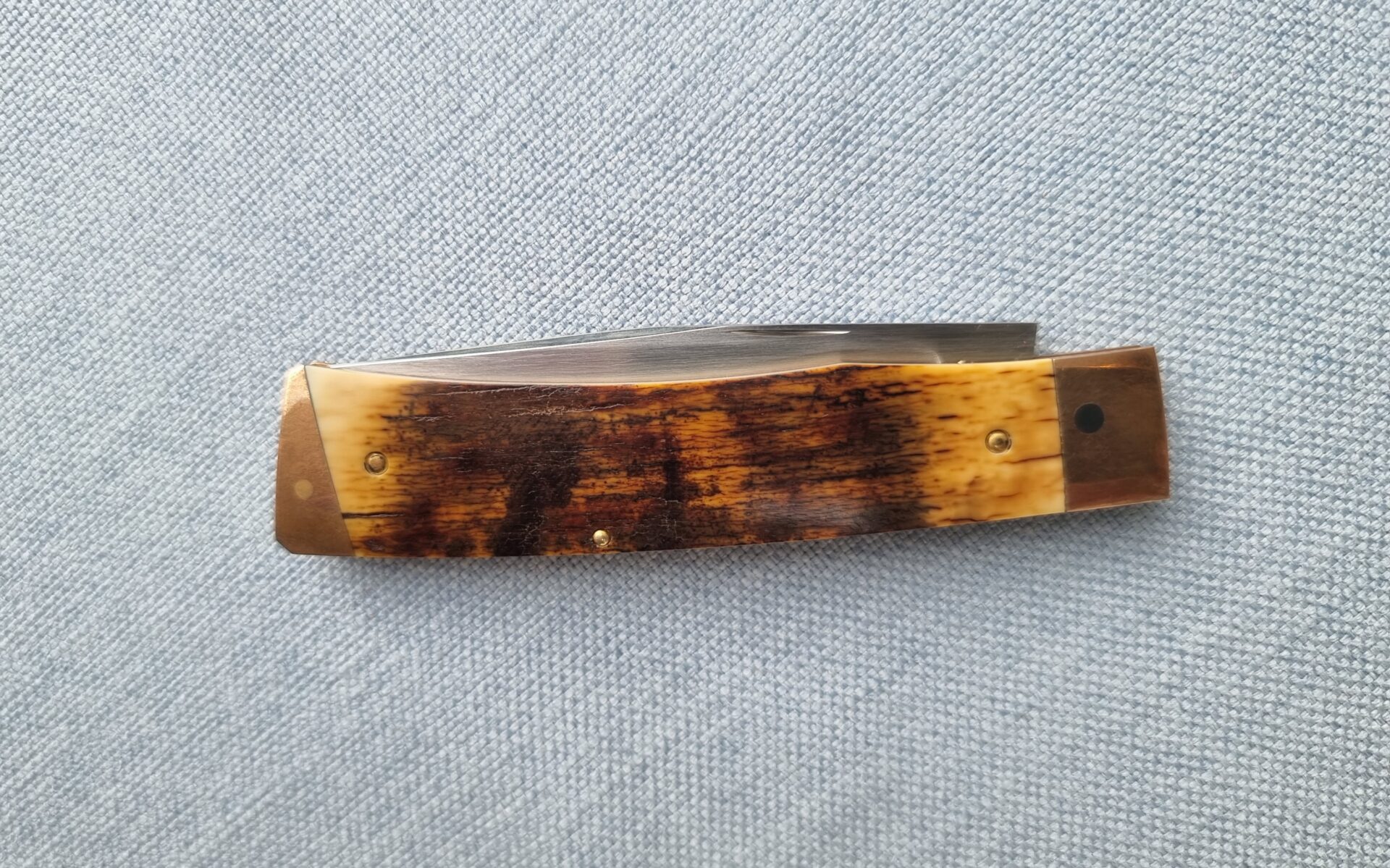
I prefer natural materials. I create knife handles from the fossilized bones of the extinct Steller’s sea cow or from mammoth ivory. I stabilize materials only where absolutely necessary, to preserve as much of their natural state as possible. I do not dye the wood. Even the bright yellow wood is entirely natural.
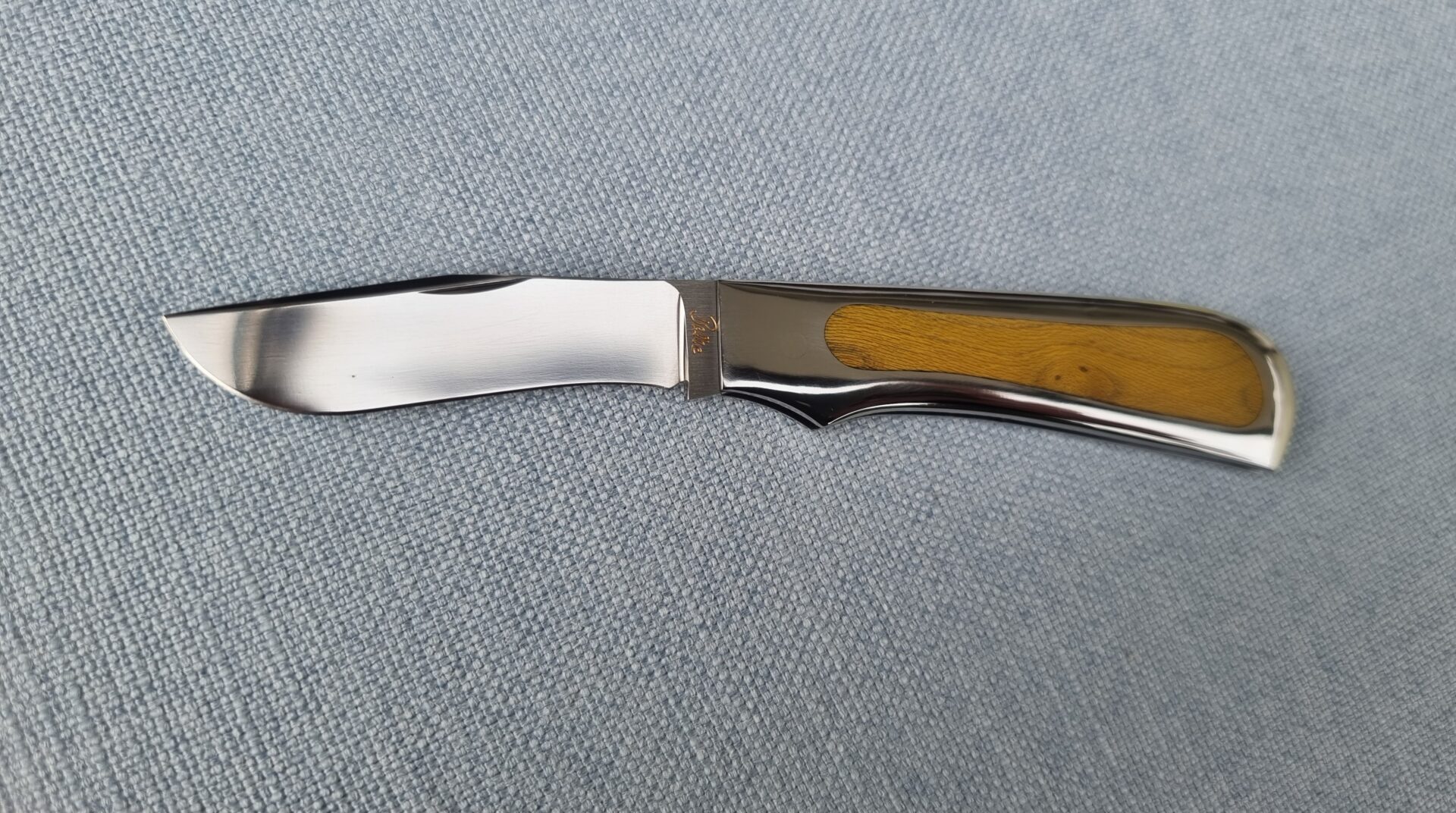
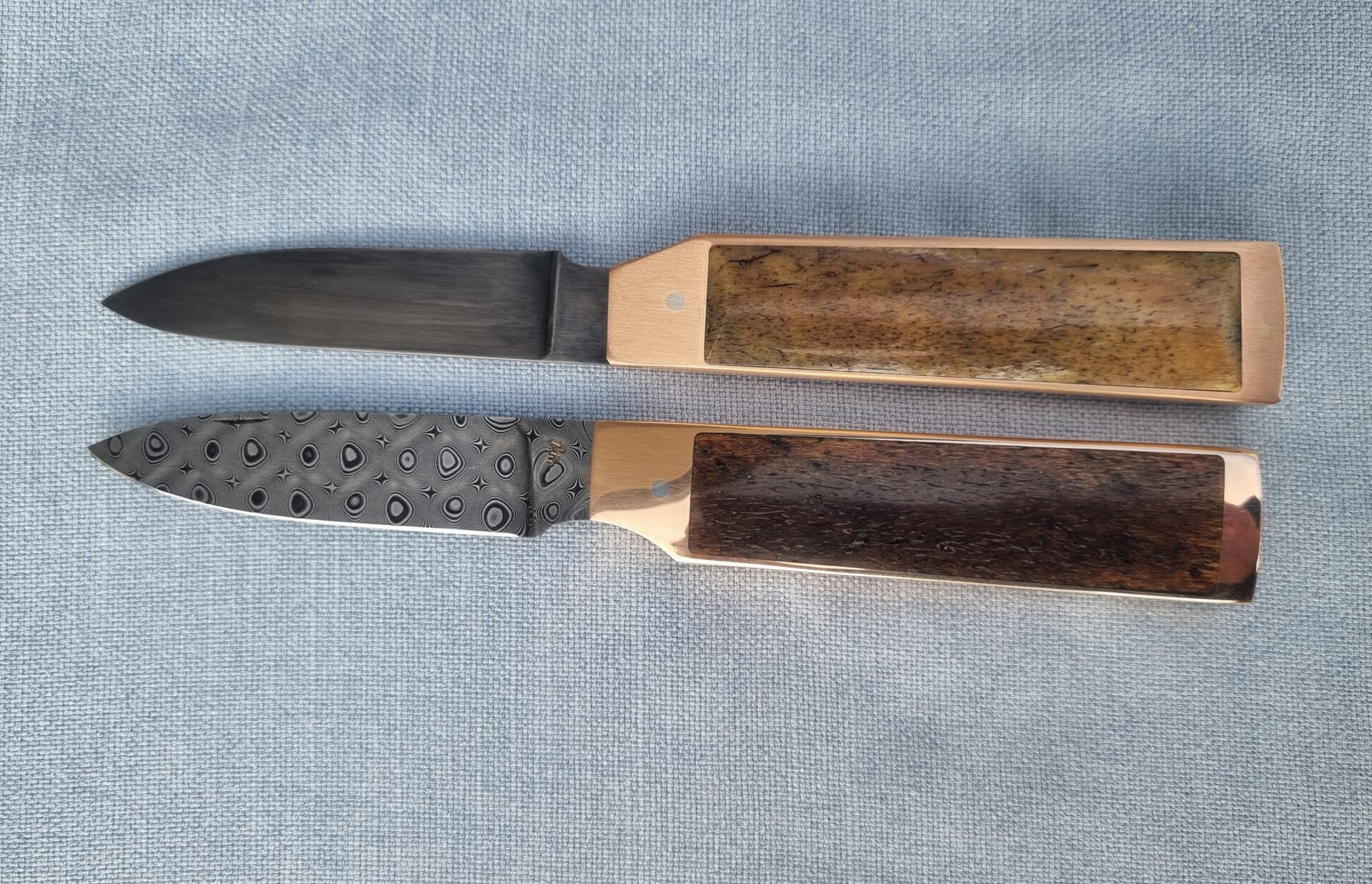
The steel I most commonly use is the powder-metallurgical RWL 34, as well as carbon steels, such as the excellent, now scarcely available 1.1545.

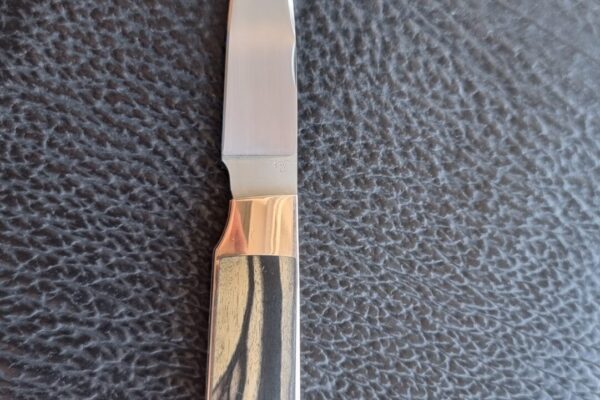
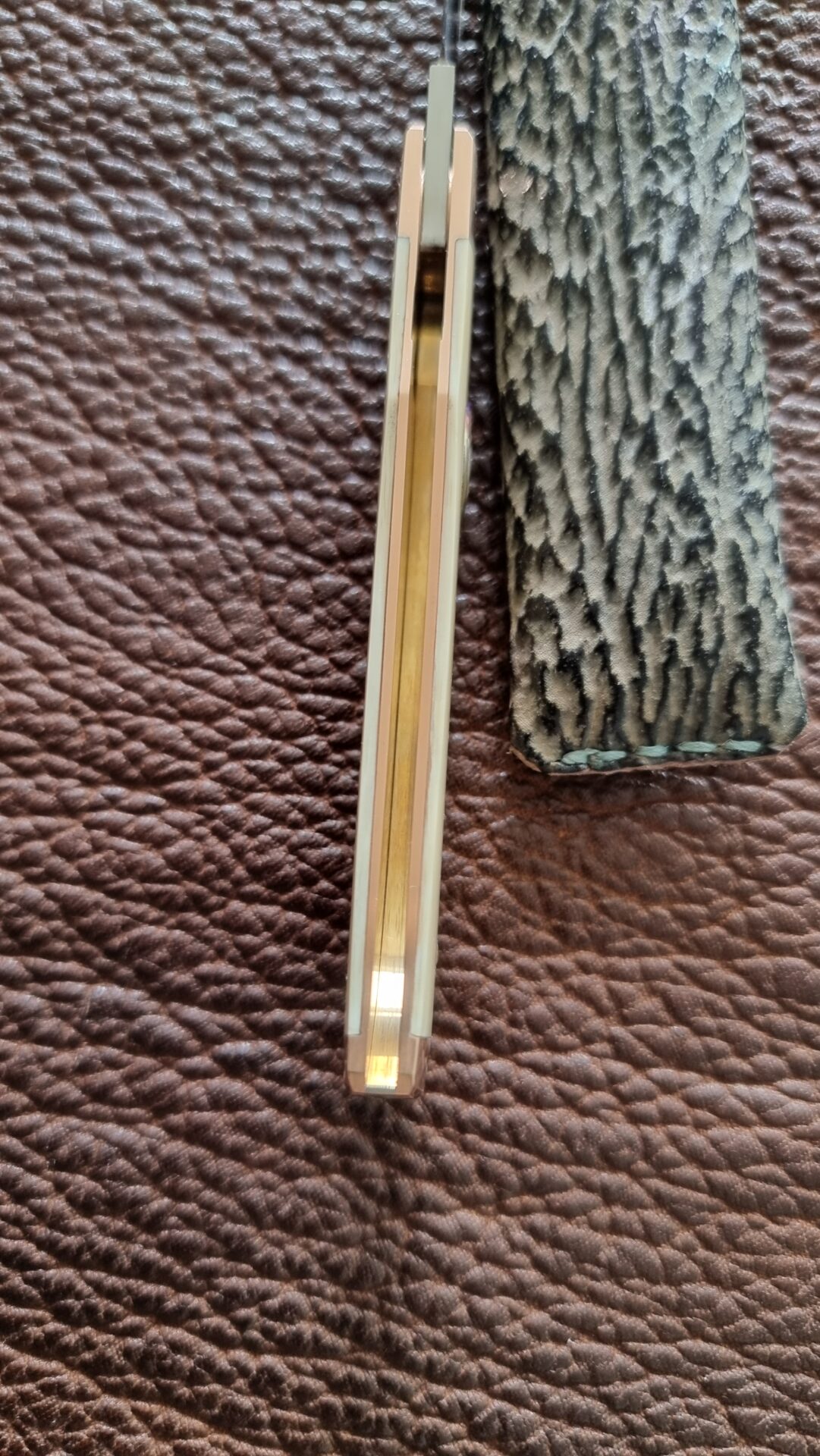
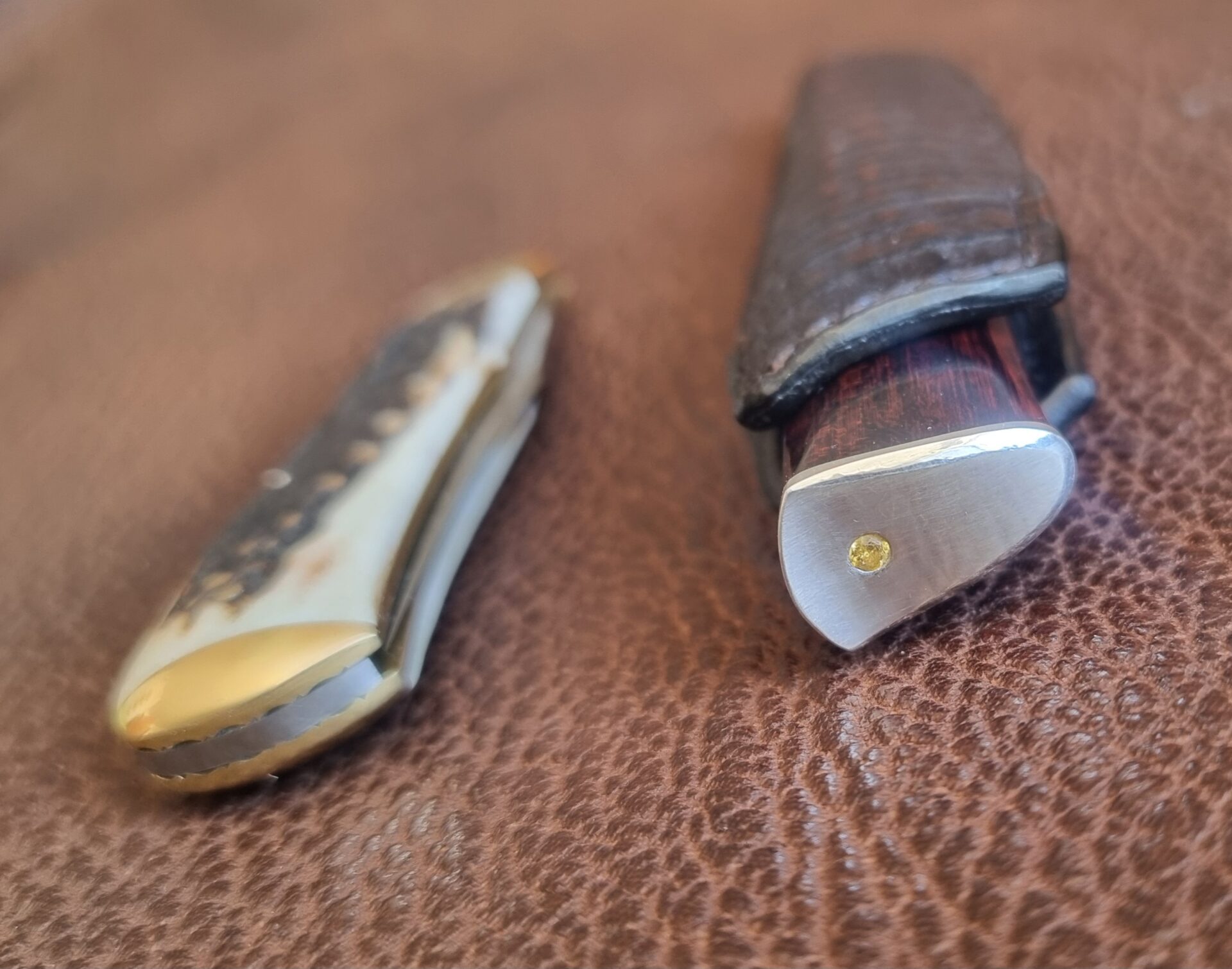
I also frequently work with spring bronze, a material I find particularly appealing. Its slowly developing patina complements the fossilized handle materials, often thousands of years old.

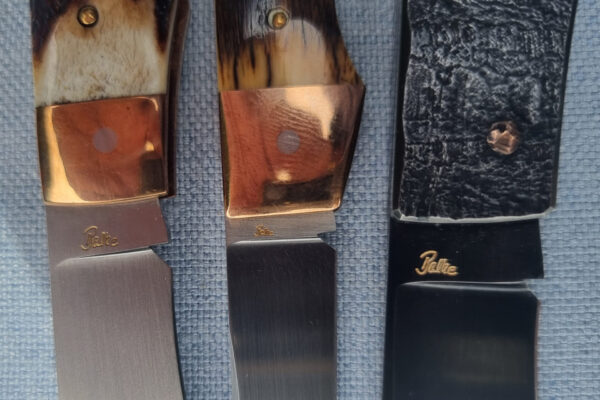
I often gild my signature on the blade as well as the internal spring.

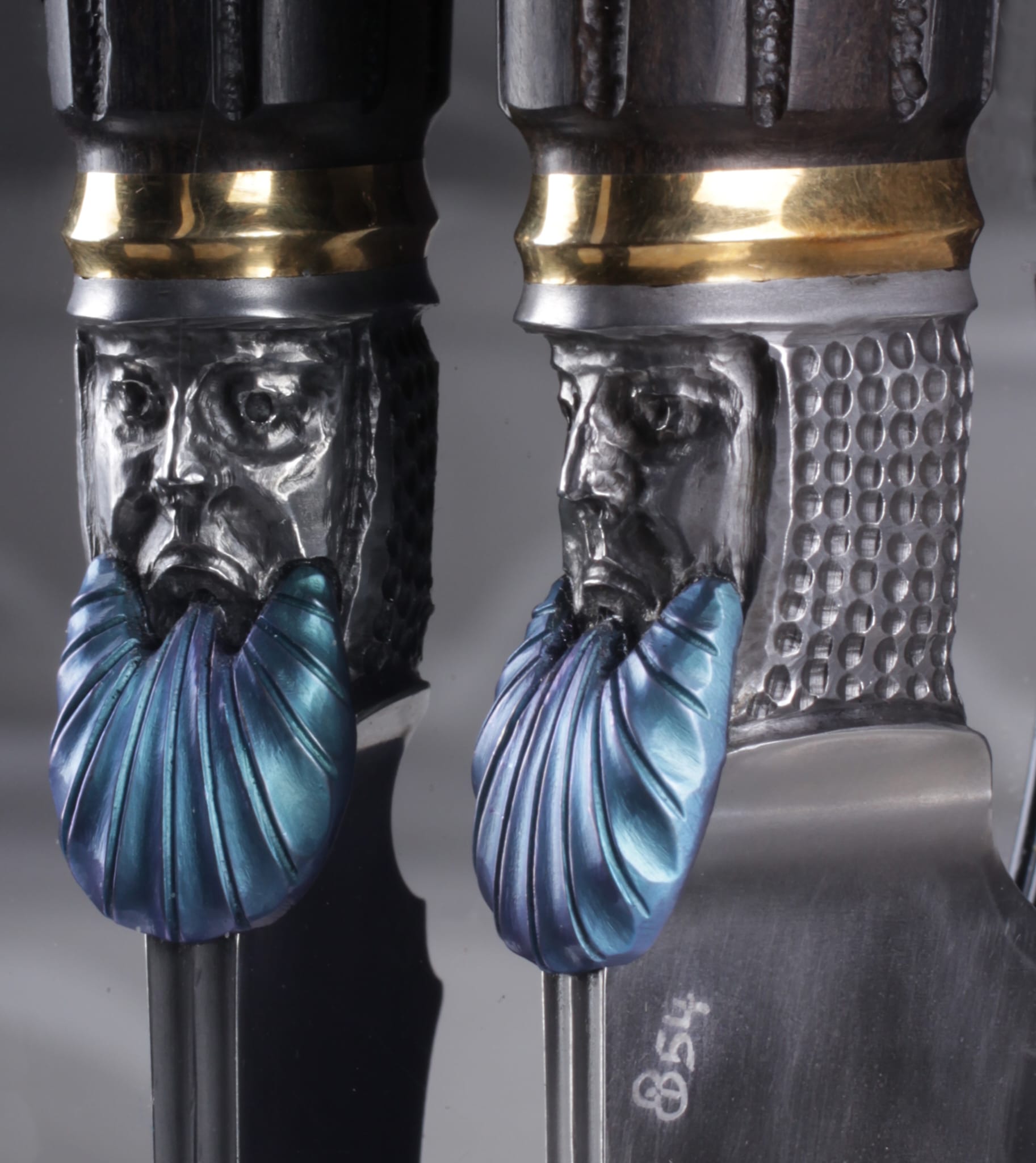
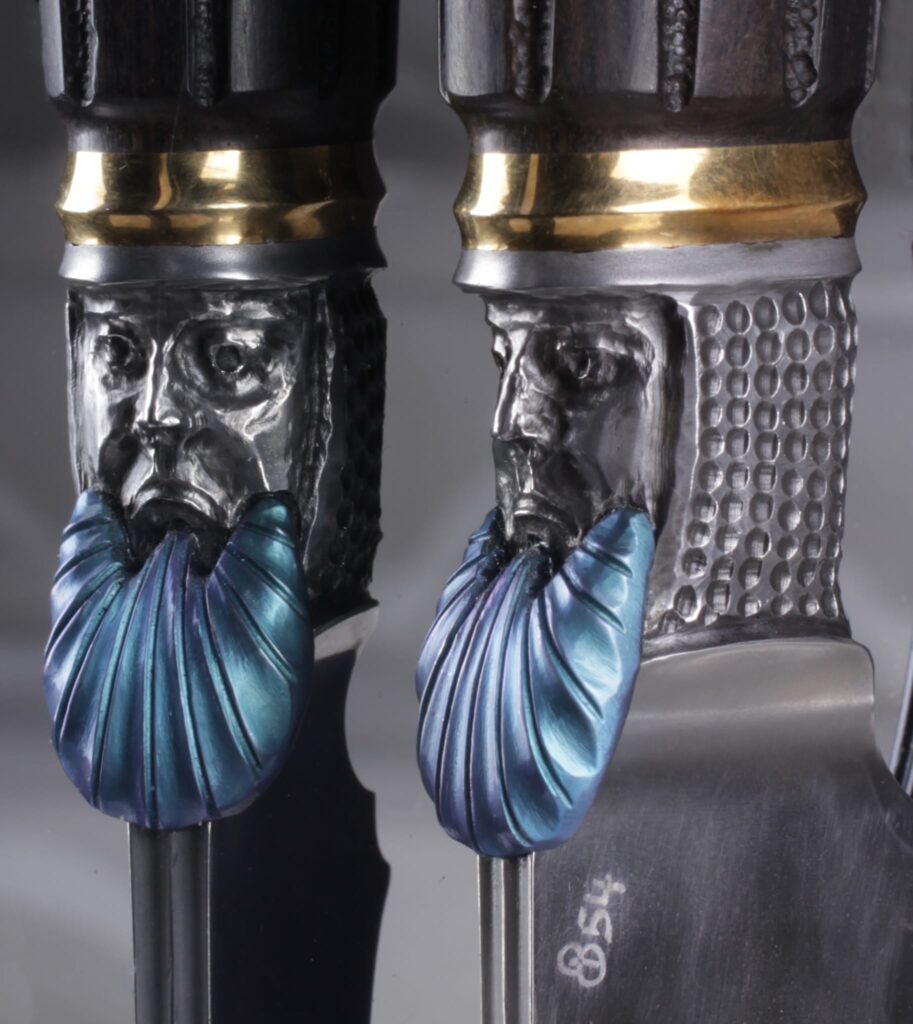
Occasionally, I incorporate anodized tantalum or niobium.

Not Just Slipjoints

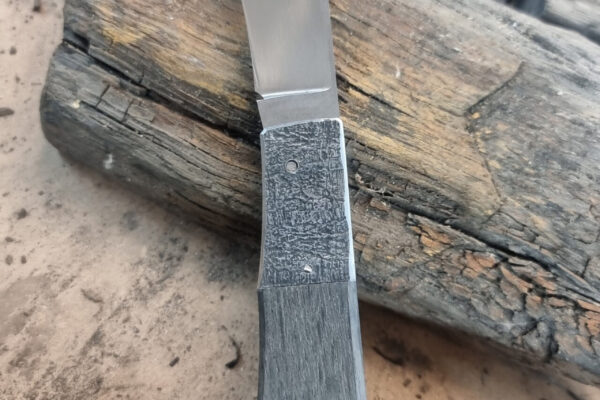
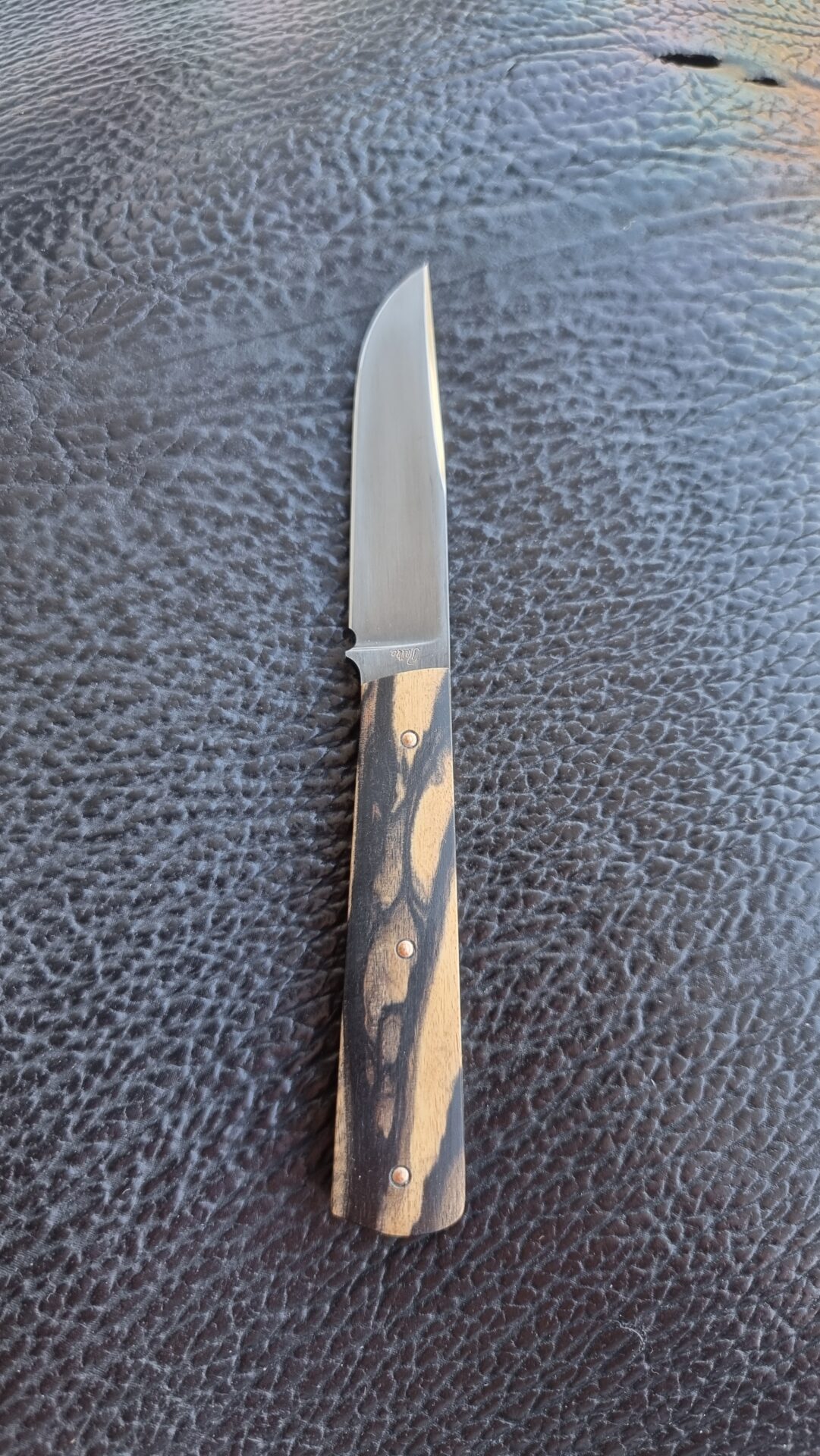
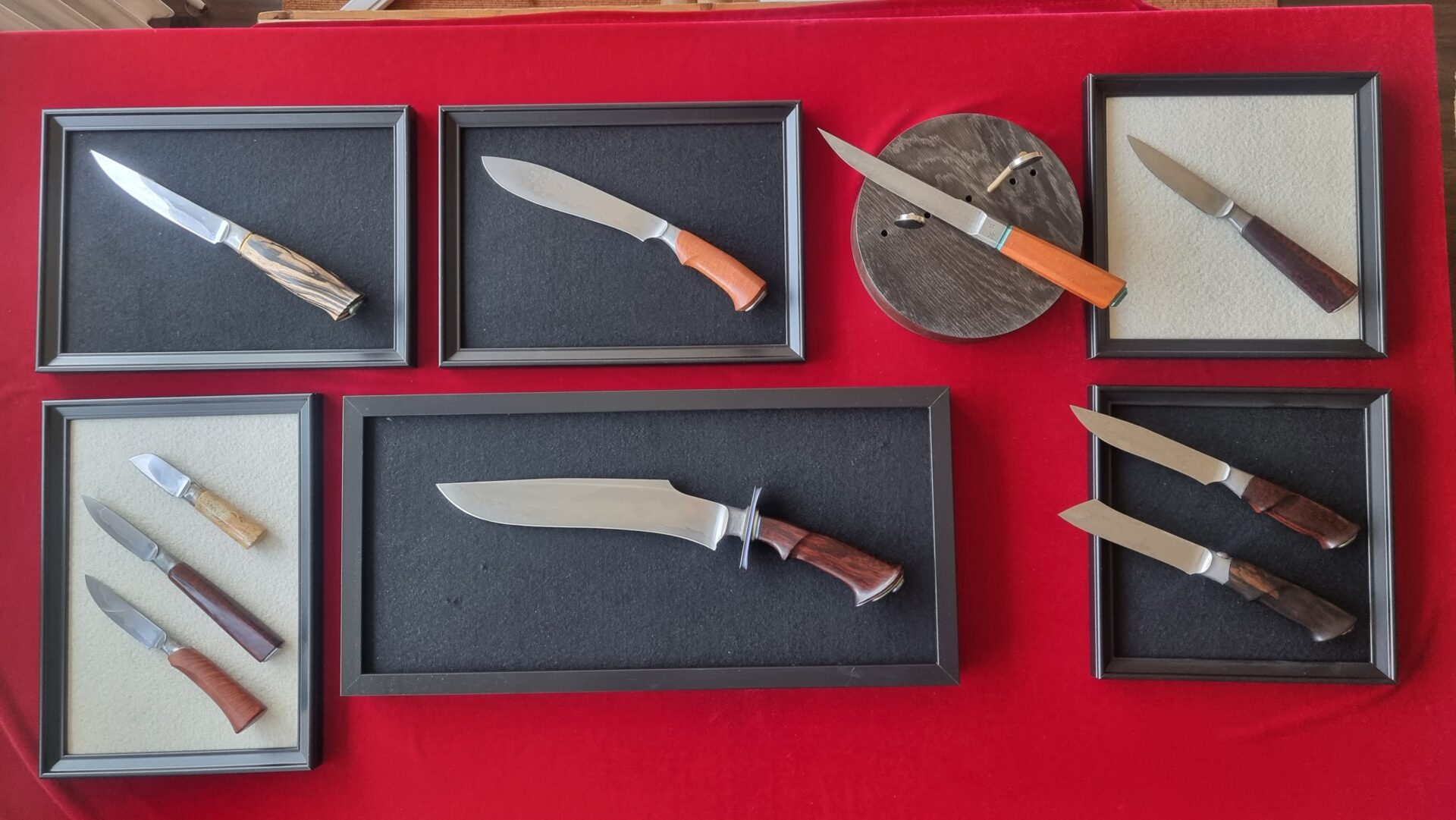
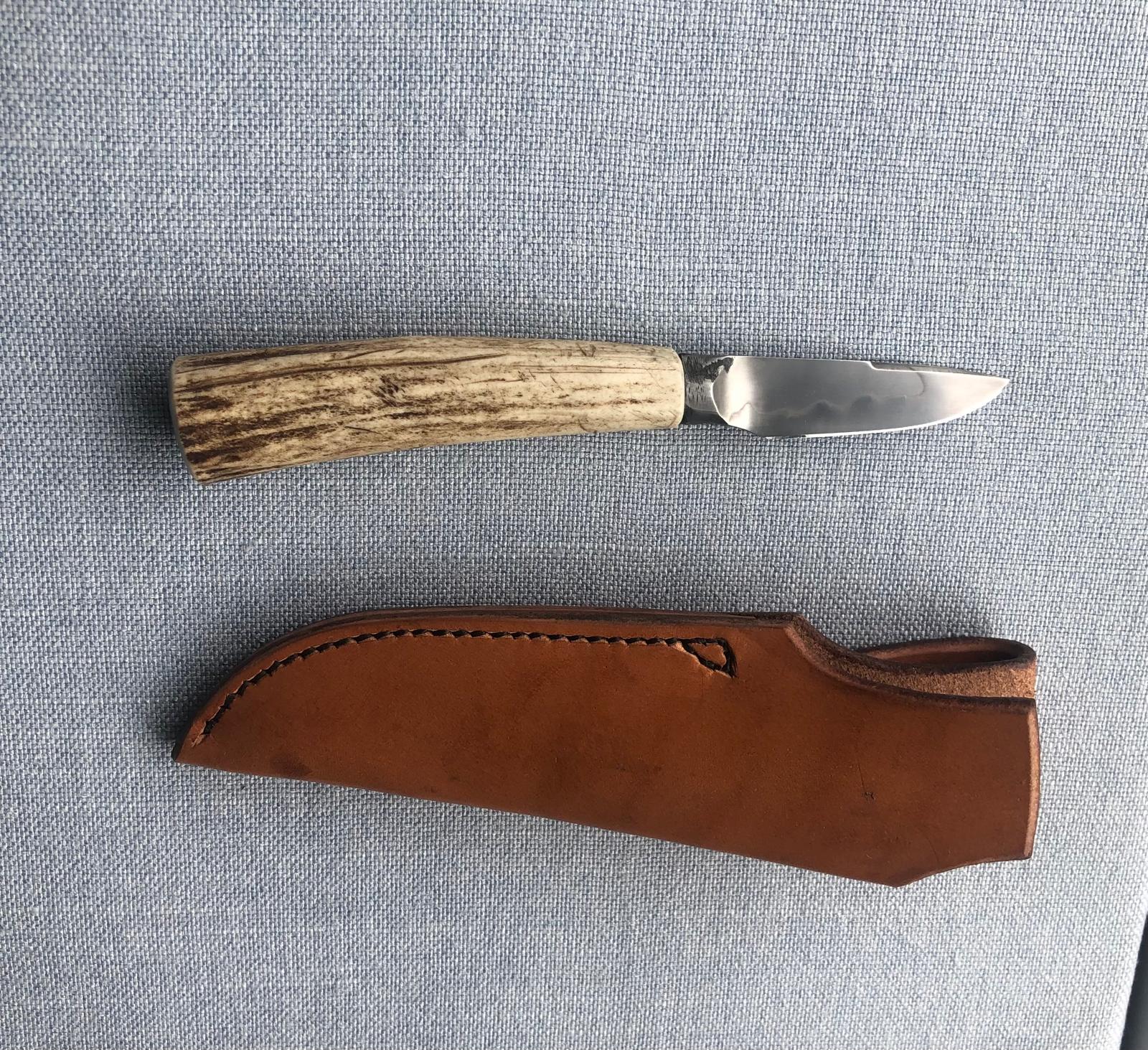
When the mood strikes, I also craft other types of knives in my workshop. I harden them myself, often using liquid nitrogen for cryogenic treatment, and I have extensive experience in creating hamons.

I only make knives I truly like. I never work without joy. In my workshop, I bring my creative ideas to life. My hands follow my sense of beauty.

If you have ideas for a custom knife, I would be happy to take them into account.

I hope you enjoy your slipjoint just as much as I enjoyed making it.

Contact

Are you interested in a custom-made, hand-forged knife?
Please contact me by email:

info@slipjoint.de

© 2026 Balke – Fine Handmade Knives